
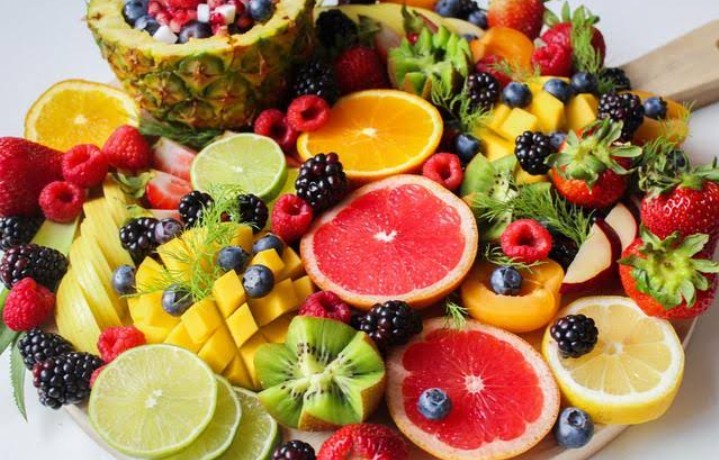
The fruit diet, or fruit food plan, all refer to a diet based mainly on fruit. It's a subset of vegetarian diets. The fruit diet isn't new but got more popular recently along with vegetarian eating.
As the name says, the fruit diet mostly involves eating lots of fruit. It's one of the most restrictive diets and carries a risk of malnutrition despite fruit being very nutritious.
Following the fruit diet means fruit makes up 50 to 75% of what you eat, but stricter followers may eat up to 90% fruit.
The fruit diet only allows raw fruits, nuts, and seeds.
What do experts think about the fruit diet?
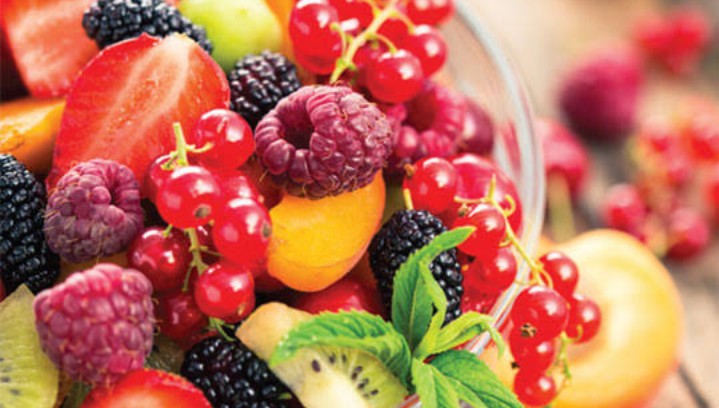
Fruit is nature's candy, a tasty treat that satisfies, but even nature warns against having that much fruit in your diet.
Experts agree that cutting out food groups like fat and protein can mess up your nutritional balance.
What you can eat on the fruit diet :-
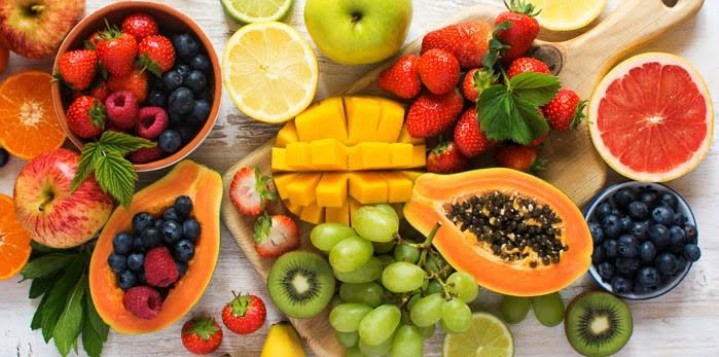
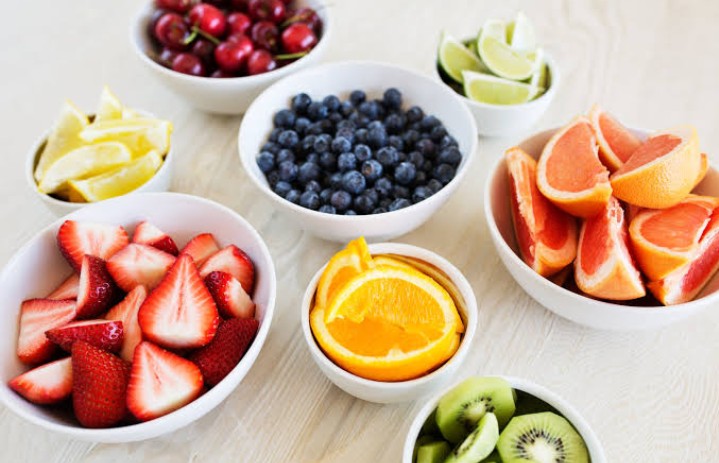
To be a fruitarian you need to get at least 50 to 75% of your daily calories from raw fruit like bananas, grapes, apples, and berries.
Usually 25 to 50% comes from nuts, seeds, veggies, and whole grains. But some strict followers get up to 90% of calories from fruit alone, and 10% from nuts and seeds.
The fruit diet usually consists of these fruit groups :-
-
Citrus fruits :- citrus, cranberries, pineapple.
-
Sub-acid fruits :- sweet almonds, berries, figs.
-
Sweet fruits :- bananas, grapes, watermelon.
-
Oil fruits :- avocado, coconut, olives.
-
Plant fruits: pepper, tomato, cucumber.
-
Nuts: hazelnuts, cashews, almonds, pistachios.
-
Seeds: pumpkin, sunflower, squash.
Eating plan within the fruit diet system:

Like supporters of many other diets, fruit diet followers describe their eating plan as humanity's original diet since they follow it to avoid killing any living thing, even plants. That's why they only eat the fruits of plants.
There is no fixed meal time in the fruit diet, the plan encourages you to eat intuitively, meaning eat when you feel hungry and stop when you feel full.
The plan recommends focusing on having at least three full main meals a day, and you can have snacks between meals if you feel hungry.
How you can turn the fruit diet into a complete diet:

Instead of following a fruit diet lacking many important food groups, you can add some changes to make it healthier while keeping its main idea of focusing on fruit.
Other food groups can be included in the fruit diet like whole grains and protein, so the fruit diet might look like this:
-
50% fruit.
-
20% plant protein.
-
20% vegetables.
-
10% whole grains.
Adding these food groups to the fruit diet makes it more nutritious and better, reducing the risk of nutrient deficiencies and health issues.
Food groups in the fruit diet:
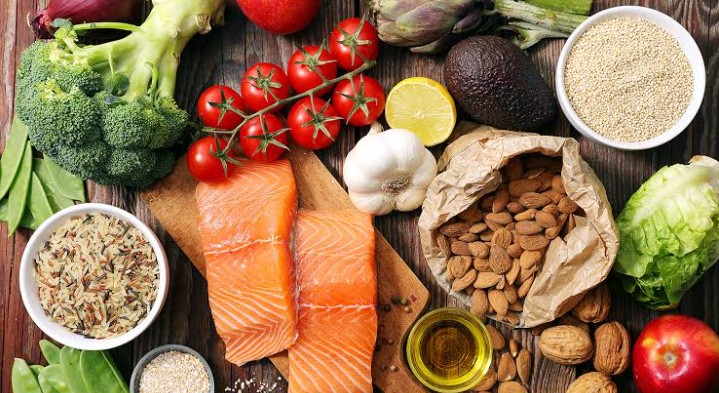
Here is what you can eat and what you can't based on the real definition of the fruit diet system:
-
What you should eat:
-
Fruits: The fruit diet encourages a variety of fruits, like common fruits (banana, pear, apple, orange), and also exotic fruits like (passion fruit, jackfruit, snake fruit). Also, some foods we don't usually think of as fruits are included, like (cucumber, pepper, tomato, avocado, squash, olives).
- Nuts and seeds: Nuts and seeds are technically parts of plant fruits, so followers of the fruit diet are encouraged to fill the rest of their meals with foods like (sunflower seeds, walnuts, almonds).
- Vegetables: No one is advised to follow a diet of 100% fruit, so many fruit lovers eat some vegetables, mostly leafy greens.
- Drinks: Followers of the fruit diet can drink coconut water, fresh fruit juices, water, and coffee is allowed based on personal preference.
-
What you should NOT eat:
-
Animal protein: Fruit diet followers do not consume any animal protein, like (eggs, poultry, beef).
-
Dairy products: Just like animal protein, dairy products are not allowed in the fruit diet. Milk, yogurt, cheese, or any other animal dairy products are banned. You can replace animal dairy with almond, cashew, or coconut milk.
-
Grains: Grains and grain products are not allowed in the fruit diet. This includes sprouted grain products.
-
Starches: The fruit diet also does not allow any starches like potatoes.
-
Legumes: The fruit diet does not include any grains or legumes, including chickpeas, lentils, peas, soybeans, and peanuts.
-
Processed foods: Processed foods are not allowed within the fruit diet.
Like other diets, there are ways to modify the fruit diet (as described above). If you choose to follow the fruit diet, you can fill nutritional gaps with other healthy food groups.
Benefits of following the fruit diet:
-
It promotes whole nutritious foods:
Fruit is known for its health benefits, including high antioxidant content, and a high concentration of vitamins, minerals, electrolytes, nutrients, and plant fibers.
The high fiber content in fruit boosts fullness, which can help with weight loss.
-
Helps hydration :-
Besides being nutrient-dense, fruit has a lot of water. Eating large amounts like this can help keep the body hydrated.
Downsides to following a fruit diet :-

-
Nutrient deficiency :-
The body needs protein and fat, which are key nutrients you might not get enough of on a fruit diet.
Also, cutting out grains risks B vitamin deficiency, limiting dairy and veggies can cause calcium deficiency, stopping animal products can cause B12 deficiency, and lack of these micronutrients can lead to issues like anemia, fatigue, immune problems, and brittle bones.
-
Risk of health complications :
The risk of health complications is high with the fruit diet. It can be dangerous for people with diabetes because eating a lot of fruit can raise blood sugar levels and affect insulin sensitivity.
The fruit diet can also be risky for people with pancreas and kidney disorders.
The fruit diet risks overeating and eating disorders. Any lost weight is likely to come back once normal eating habits resume.
Is the fruit diet a healthy choice for you :

The fruit diet, which only includes fruit, is unique compared to most diets. It relies on just one food group, so it doesn’t meet most important dietary recommendations.
Whether your goal is to lose, maintain, or gain weight, it’s important to know how many calories you need daily. Most people need about 1500 calories to lose weight, 2000 to maintain, and an extra 500 to gain weight. This varies by age, sex, body type, activity, and other factors.
The fruit diet offers no advice on calories and cuts out important healthy food groups. So eating only fruit doesn’t follow healthy guidelines for a balanced diet.


