


On your journey to lose or keep weight, you've probably heard the term metabolism. It's about how metabolism affects weight loss and maintenance. If you're worried about how it impacts your weight, it's best to understand exactly what metabolism is and what affects its speed, and how that changes your weight.
• What is metabolism:

Metabolism refers to the chemical and biological processes your body uses to turn food (calories) into energy to stay alive and support different body functions like:
- Digesting food.
- Breathing.
- Delivering nutrients to cells through the blood.
- Getting rid of body waste.
- Energy use by muscles, nerves, and cells.
•What is the basal metabolic rate?
Basal Metabolic Rate (BMR) is the rate at which you burn calories or energy. This number includes calories needed to support basic functions like breathing and blood circulation, plus calories burned during physical activity.
Your basal metabolic rate is the main part of metabolism, making up about 60 to 75% of total daily calories burned.
•Factors that affect your metabolic rate:-
-
1- Age:-

Metabolism slows down with age. Studies say this happens because our bodies change as we get older. Muscle mass gradually drops and since fat burns fewer calories than muscles, BMR goes down. Age-related changes can also affect how our organs work and lower metabolism.
-
2- Gender:-

Metabolism rate varies by gender between males and females. Studies show males have a higher metabolism rate than females. This may be because females store fat and energy more efficiently than males. Hormones also play an important role in this.
-
3- Body composition:

Body types differ among people, some muscular, some fatty, etc. Muscle burns more calories than fat even when you're resting. So the more muscle you have, the more calories you burn every day, which raises your metabolism rate.
-
Body height:
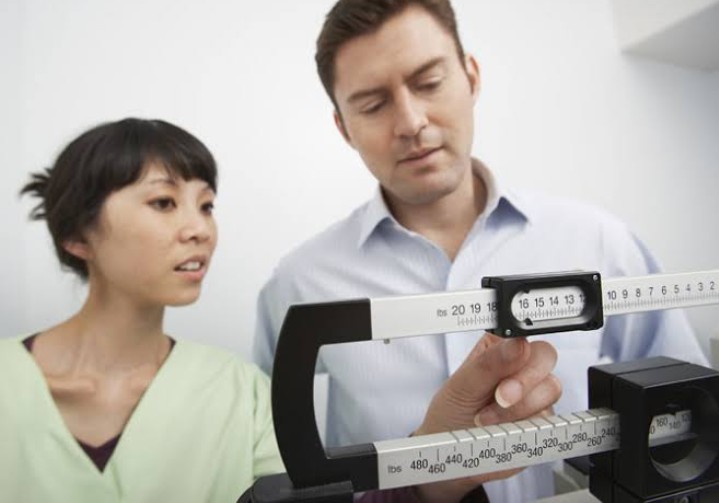
Your height can affect your metabolism rate. Taller people usually have higher metabolism because of their height. But some studies found tall people often burn fewer calories during exercise compared to their body weight and to shorter people. So measuring your height and waist can help see if you're at risk for metabolic disorders like metabolic syndrome.
-
5- Body temperature:

Your body uses up to 40% of its total energy just to keep your temperature steady. So if you're in extreme temperatures, your body works harder. This extra work boosts your metabolism rate.
-
6- Consuming caffeine and energy drinks:

If you drink a lot of caffeine and energy drinks, you might feel your metabolism speed up right away. Even though these drinks do boost metabolism, they might not be the safest way to do it.
-
7- Hormones:
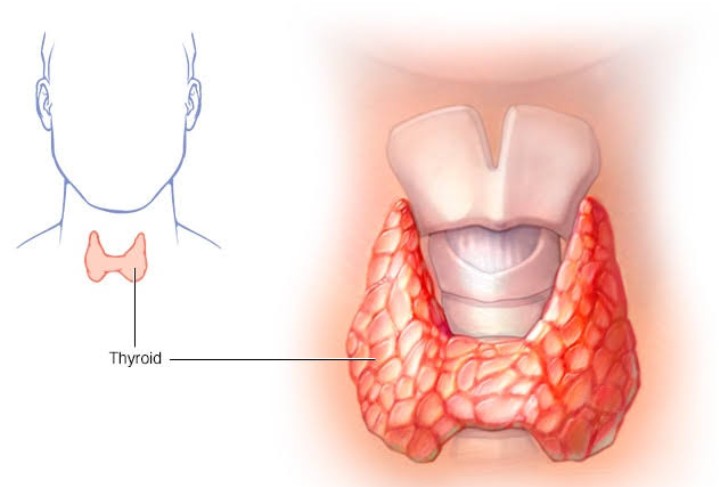
Hormones play a big role in metabolism. For example, if your thyroid gland doesn’t release hormones properly, it can change your metabolism rate. If your thyroid underproduces, your metabolism slows down and you might gain weight. If it overproduces, your metabolism speeds up, which helps you lose weight.
-
8- Pregnancy:

Pregnant women have faster metabolism because their body and weight change a lot. So if a woman starts pregnancy underweight, she might need to eat more to get enough calories and nutrients.
-
9- Eating:

Most people on a diet start by eating fewer calories. But your body needs nutrients, and that can actually increase your metabolism. Also, metabolism goes up when you digest food.
-
10- Level of physical activity:

When you increase movement whether by exercise or daily routine movement like walking your body burns more calories so physical activity increases your metabolism making it easier to lose or maintain weight.
• How to calculate your metabolism rate:-

You can accurately calculate your metabolism rate in health labs and some gyms offer this free.
Or you can use the following formula:-
Metabolism rate for men = 88.369 + (13.397 X weight in kg) + (4.799 X height in cm) , (5.677 X age in years).
Metabolism rate for women = 44.593 + (9.247 X weight in kg) + (3.098 X height in cm) , (4.330 X age in years).
• How to increase your metabolism rate to lose weight:-

Some reasons affect metabolism that you can't control like your age or gender but also some things you can do to boost metabolism and lose weight like:-
- Workout exercises.
- Increasing daily movement.
- Gaining muscle.
- Consuming the right amounts of daily calories.


