

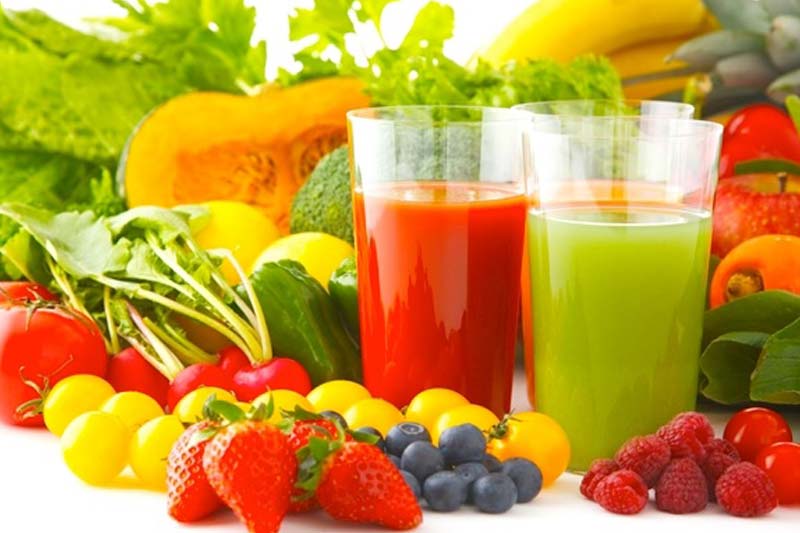
Vitamins are organic compounds the body needs in small amounts. They are essential for life. Food should be the source of these vitamins because the human body doesn't produce enough on its own.
Humans and other living things need vitamins and minerals. For example, humans need vitamin C, but dogs don’t because they produce enough themselves. Also, humans need sunlight to get vitamin D since food alone doesn’t provide enough of it.
Quick facts about vitamins:

- There are 13 known types of vitamins.
- Vitamins are divided into water-soluble and fat-soluble vitamins.
- The body can store fat-soluble vitamins more easily than water-soluble ones.
- Vitamins always contain carbon, so they’re called organic.
- The best source of vitamins is through proper nutrition. But some people might need to use dietary supplements.
What are vitamins?

Vitamins are one of the groups of organic compounds found in food in small amounts. There are currently 13 types of vitamins. They are essential for proper metabolism. Some problems and medical conditions can happen if you lack any vitamin. A vitamin can be defined as an organic compound, meaning it contains carbon, or as an important nutrient that the body can’t make enough of, so it must be gotten from food.
Vitamins can be divided into:
1. Fat-soluble vitamins:
These vitamins are absorbed through the intestines with the help of fats and then stored in fat tissues and the liver. Examples of fat-soluble vitamins are A, D, E, and K. These vitamins are easier to store than water-soluble ones and can stay in the body for days or months.
2. Water-soluble vitamins:
Water-soluble vitamins don’t stay in the body long because they are quickly expelled through urine. That’s why the body needs more of these than fat-soluble ones. Examples include vitamin C and all the B vitamins.
Different types of vitamins:

1Vitamin A:
- Vitamin A is a fat-soluble vitamin, its chemical name is retinol.
- Lack of this vitamin can cause night blindness, and corneal softening, which is an eye disorder causing dry cornea.
- Vitamin A is found in liver, cod liver oil, carrots, broccoli, sweet potatoes, butter, turnip, spinach, pumpkin, green cabbage, some cheeses, eggs, apricots, cantaloupe, watermelon, and milk.
2. Vitamin B:
- Vitamin B is a water-soluble vitamin, its chemical name is thiamine.
- Lack of this vitamin can cause beriberi disease and Wernicke-Korsakoff syndrome.
- Vitamin B is found in yeast, pork, grains, sunflower seeds, brown rice, cereals, asparagus, turnips, cauliflower, potatoes, oranges, liver, and eggs.
3. Vitamin B2:
- Vitamin B2 is one of the water-soluble vitamins and its chemical name is riboflavin.
- A lack of this vitamin can cause riboflavin deficiency disease.
- Vitamin B2 is found in asparagus, bananas, persimmons, okra, cottage cheese, milk, yogurt, meat, eggs, fish, and green beans.
4. Vitamin B3:
- Vitamin B3 is one of the water-soluble vitamins, and its chemical name is niacin or niacinamide.
- A deficiency of this vitamin can cause pellagra, which features hardening and roughness of the skin, and also leads to symptoms like diarrhea, skin inflammation, and mental disorders.
- Vitamin B3 is found in liver, heart, kidneys, chicken, beef, fish (tuna, salmon), milk, eggs, avocado, dates, tomatoes, leafy vegetables, broccoli, carrots, sweet potatoes, asparagus, nuts, whole grains, legumes, and mushrooms.
5. Vitamin B5:
- Vitamin B5 is a water-soluble vitamin, its chemical name is pantothenic acid.
- Lack of this vitamin may cause numbness.
- Vitamin B5 is found in meats, whole grains, broccoli, avocado, and fish roe.
6. Vitamin B6:
- Vitamin B6 is a water-soluble vitamin and its chemical names are pyridoxine, pyridoxamine, or pyridoxal.
- Lack of this vitamin may lead to anemia, peripheral neuropathy, or damage to parts of the nervous system outside the brain and spinal cord.
- Vitamin B6 is found in meat, bananas, whole grains, vegetables, nuts, and milk. But when dried, it loses about half of its B6 content. Freezing and canning products can also reduce the amount of vitamin B6.
7. Vitamin B7:
- Vitamin B7 is a water-soluble vitamin. Its chemical name is biotin.
- A lack of this vitamin can cause inflammation in the skin and intestines.
- Vitamin B7 is found in egg yolks, liver, and some vegetables.
8. Vitamin B 9:
- Vitamin B9 is a water-soluble vitamin. Its chemical name is folic acid or folinic acid.
- A lack of this vitamin during pregnancy can cause birth defects. Some experts recommend taking folic acid supplements for about a year before pregnancy.
- Vitamin B9 is found in leafy greens, legumes, liver, some fortified grain products, and sunflower seeds. Many fruits also have moderate amounts of this vitamin.
9. Vitamin B12:
- Vitamin B12 is a water-soluble vitamin, chemically called cobalamin.
- Lack of this vitamin can cause megaloblastic anemia, where bone marrow makes abnormally large, immature red blood cells.
- Vitamin B12 is in fish, shellfish, meat, poultry, eggs, milk, dairy products, some grains, and soy products. Vegans are advised to take B12 supplements.
10. Vitamin C:
- Vitamin C is a water-soluble vitamin, chemically called ascorbic acid.
- Lack of this vitamin can lead to megaloblastic anemia like vitamin B12.
- This vitamin is found in fruits and vegetables. The liver has large amounts of vitamin C, but cooking destroys vitamin C.
11. Vitamin D:
- Vitamin D is a fat-soluble vitamin. Its chemical name is ergocalciferol or cholecalciferol.
- Lack of this vitamin can cause rickets in children and softening of bones.
- Vitamin D forms in the body when exposed to sunlight. It's also in fatty fish, eggs, beef liver, and mushrooms.
12. Vitamin E:
- Vitamin E is a fat-soluble vitamin. Its chemical name is tocopherols or tocotrienols.
- Vitamin E deficiency is rare but can cause hemolytic anemia in newborns, where blood cells are destroyed and removed from the blood too early.
- Vitamin E is found in kiwi fruit, almonds, avocado, eggs, milk, nuts, leafy green vegetables, vegetable oils, and whole grains.
13. Vitamin K
- Vitamin K is one of the fat-soluble vitamins. Its chemical name is phylloquinone or menaquinone.
- A deficiency in this vitamin leads to an unusually high risk of bleeding, easy bruising, and contusions.
- Vitamin K is found in leafy green vegetables, avocado, kiwi fruit, and parsley.
Ways to get vitamins:

The best way to get all these vitamins is by following a balanced, varied diet with plenty of fruits and vegetables. But sometimes people may need supplements to meet their needs, especially pregnant women. Be careful not to overdo supplements since they can cause health problems and some medicines can react badly with them. So, it's best to ask your doctor before starting any supplements.


