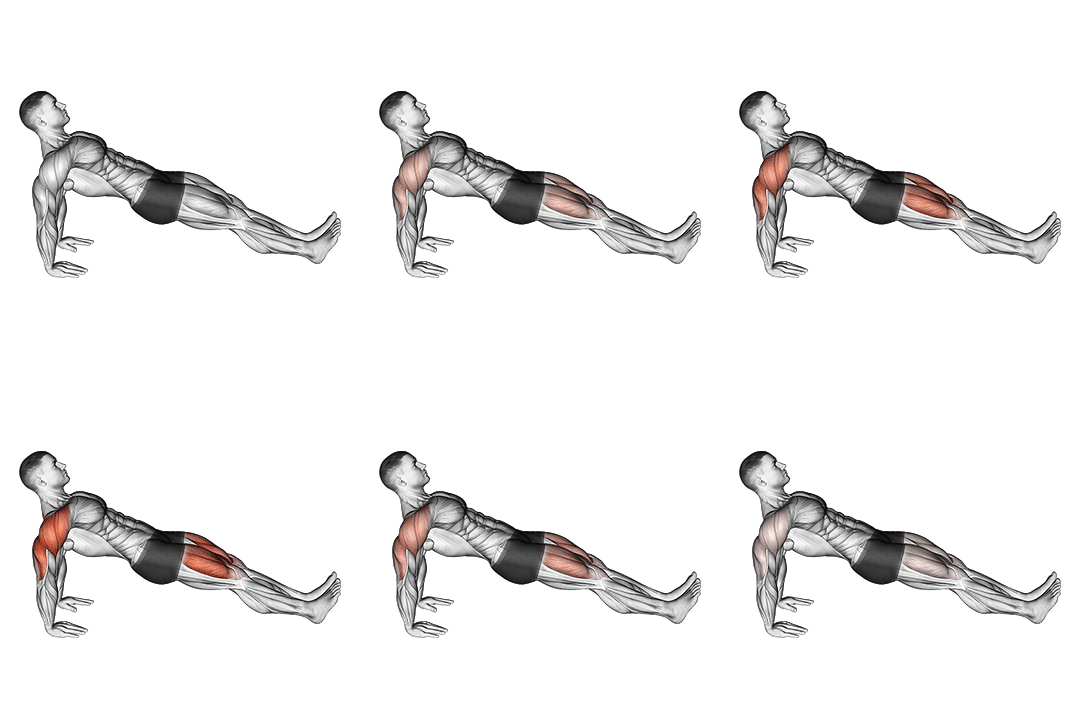
You’ve probably heard the word (cardio) If you want to start a workout plan, cardio is a key part of any routine, whether you want to lose weight, get fit, or stay healthy. It’s recommended to do 150 minutes of cardio a week to lower health risks. But if your goal is weight loss of about 5% of your body weight, you should do 300 minutes of moderate-intensity exercise weekly (for example: if you weigh 95 kilos and want to lose 2 kilos). This doesn’t include strength training, so you should learn more about aerobic exercises as a way to motivate yourself.
What are cardio exercises?

They are exercises with a specific high and steady pace aimed at raising your heart rate to a target level to burn calories and fat. Even if you do just 10 minutes of these exercises over the week, it counts as cardio. This is according to the 2018 Physical Activity Guidelines Advisory Committee.
Benefits of cardio exercise:
1- Helps burn fat and calories.
2- Improves sleep quality.
3- Expands lung capacity.
4- Increases bone density (especially when lifting weights).
5- Reduces stress.
6- Boosts feelings of satisfaction.
7- Lowers depression and anxiety.
8- Builds self-confidence.
9- Cuts risk of diseases like diabetes, heart attacks, high cholesterol, and high blood pressure.
10- It strengthens the heart muscle to pump blood with higher energy and less effort.
It's also good that you don't need to do high-intensity cardio to get these benefits. walking for 15 minutes improves your mood and lowers blood pressure.
How do you choose the right cardio exercise for you?

Pick an activity that suits what you have, your personality, and lifestyle. If you like sports outdoors, you can walk, bike, or run. These are all good options that raise your heart rate as needed.
Walking is a great choice because it doesn't need fancy gear and anyone can do it. If you like gyms, you can use the treadmill, stationary bike, rowing machine, swim, and more. For home cardio, you can buy your own treadmill, watch home cardio workout videos, jump rope with or without a rope, run in place, or even do burpees. Tracking progress and training online with a coach is also a good option. It's best to try more than one exercise to find what works and what you enjoy.
Here are some useful tips:
1- Be flexible:
Don't be afraid to mix it up and branch out in your workouts. Try something new now and then. The important thing is raising your heart rate. You don’t have to stick to just one type every time.
2- Pick an exercise you can do regularly:
It's important to exercise 3 times a week, so choose something you can keep up with.
3 - Choose an exercise you enjoy:
Don't force yourself to do what you hate. If you dislike gyms, try walking or running outside. If you like groups, try a team sport.
4- Keep it simple:
If you're nervous about starting, begin with basics. Your body needs at least 20 minutes to get active, so give yourself 20 minutes three times a week for cardio. Don't worry about intensity at first, just make it a habit.
5 - There is no best exercise:
Just because your friend likes running doesn't mean you have to. If you don't like running, find another sport you enjoy like jogging or walking.
How long should a cardio workout last?

After picking a type you like and that suits you, set how long to exercise. Time is important. Don't rush results. For high-intensity sports, you need time to build endurance. It's best if cardio lasts from 20 to 60 minutes daily for a healthy workout that improves fitness and helps with weight loss. But don't start with a full hour if you're new to these exercises.
Beginner workouts:
To start: Choose an exercise you can easily do anytime, like walking outside or on a treadmill at home. Start with 10 to 20 minutes of brisk walking at moderate intensity.
Exercise options for beginners:
Stationary bike:This is a great exercise to start with for 20 minutes, also the treadmill and jump rope.
To set the workout time, you should do the following:-
-
Start with small activities: Like taking the stairs or walking instead of driving.
-
Do those activities for any amount of time: Even if it's 5 minutes, 10 minutes, or 60 minutes.
-
Save time: People who exercise don’t have more time than you, they just managed to find some daily time for it.
-
Get a personal trainer: It's great because it will help and motivate you to keep up with exercising and reach your goal.
-
Keep the workout intensity in mind: The harder the workout, the shorter it lasts. For high-intensity workouts like TABATA, sessions last 10 to 20 minutes, while lower intensity workouts last 30 to 60 minutes.
-
You don't have to do it all at once every time: You can split these workouts into three sessions throughout the day.
Cardio workout rate:

This depends on your fitness, schedule, and goals. If you want to stay healthy, moderate activity for 20 to 30 minutes daily gives good results. To lose weight, you need frequent workouts with gradually higher intensity. For medium-intensity workouts, you can do them every day. For high-intensity workouts, you need rest days between sessions. It's best to mix both to give your body different energy levels and varied exercises.
General guidelines for cardio workout repetition:It depends on your fitness level and schedule.
-
First: For general health: Try moderate cardio exercises for 30 minutes daily or 5 days a week, or intense cardio for 20 minutes 3 days a week. You can mix both.
-
Second: To lose weight or maintain weight:You need more than 300 minutes a week of moderate-intensity exercise.
-
Third: To maintain a healthy weight:You need 150 or 300 minutes of moderate activity weekly.
When life gets busy:
If you can't follow these instructions and want to build endurance and adapt, you need a few weeks to reach more frequent exercise. If your schedule is busy or you have obstacles, try your best to do more short, intense cardio workouts to get the most from your available time.
Time-saving cardio workout ideas in 10 minutes:
1- Low-intensity cardio exercise for 10 minutes: Using only body weight as resistance, no equipment needed.
2- Burn 100 calories in 10 minutes: High-intensity cardio workouts give you that.
(If you can't do what's needed for cardio, you can't reach your goal. Either change your lifestyle or change your goal)
-
Cardio workout intensity:

Once you get used to exercising (30 minutes of continuous movement), then you can start increasing the workout intensity. The harder you work, the faster you improve, which leads to the following:
1- Burning calories: The more intense the workout, the higher the calorie burn rate.
2 - Easy to monitor: Using a heart rate monitor helps determine the exercise intensity.
3 - Time saving: Increasing workout intensity and density boosts calorie burn in less time.
4 - Variety: You can control the intensity level by increasing or decreasing it, so you don’t need to change the exercise.
How to work hard?

The best level depends on many factors like your fitness level and your goal. There are three intensity levels you can focus on during exercise.
Different cardio levels:
1- High-intensity cardio exercises: Their intensity ranges from 70% to 85% of your maximum heart rate (MHR). This level pushes you to challenge yourself. Start with high-intensity interval training to get used to it.
2- Moderate-intensity cardio exercises: Their intensity ranges from 50% to 70% (MHR). This is usually the exercise recommended by the US Health Department as guidelines for physical activity.
3 - Low-intensity cardio exercises: Their intensity ranges below 50% (MHR) which is good for warm-ups or walking all day.