

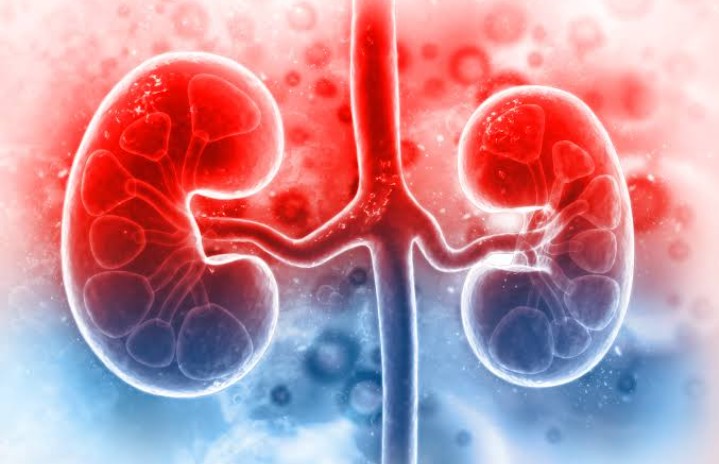
Kidney disease is common and affects about 10% of the world's population. Kidneys are small organs but do many important jobs. They clean waste from the blood, release hormones that help control blood pressure, balance body fluids, and produce urine.
There are various causes of kidney disease. Diabetes and high blood pressure are key risk factors for kidney problems. Other factors include obesity, smoking, genetics, and age which increase the risk of kidney disease.
When kidneys don’t work right, waste builds up in the blood, including food waste. So, people with kidney disease need to follow a special diet.
-
Diet and kidney disease :-

Diet limits for people with kidney disease vary depending on how much the kidneys are damaged. For example, early stage kidney patients have different diet restrictions than those in advanced stages.
Despite these differences, it’s generally advised that all kidney patients limit the following nutrients :-
-
Sodium :-
Sodium is found in many foods and is a main component of table salt. Damaged kidneys can't get rid of extra sodium, which leads to high blood pressure. So, sodium should be limited to less than 2000 mg per day.
-
Potassium :-
Even though potassium is very important, those with kidney disease need to limit it to avoid dangerously high levels in the blood. It's usually recommended to keep potassium under 2000 mg per day.
-
Phosphorus :-
Phosphorus is a mineral found in lots of foods. Damaged kidneys can’t clear extra phosphorus, which can cause many problems for the body. So it’s advised to limit phosphorus to 800 to 1000 mg per day.
Protein is another nutrient that kidney patients may need to limit, because damaged kidneys can’t get rid of wastes from protein metabolism.
If you have any kind of kidney disease, you should talk to your healthcare provider about your diet and how to meet your nutritional needs in a way your kidneys can handle.
-
Here is a list of tasty, healthy foods that fit kidney disease diets :-
-
Cauliflower:
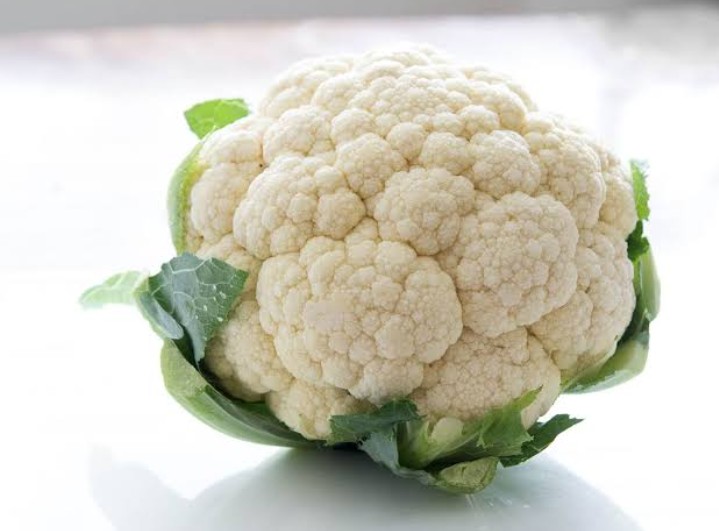
Cauliflower is a tasty, nutritious plant and a good source of many nutrients like vitamins C, K, and B. It’s also packed with anti-inflammatory compounds and is an excellent source of fiber.
You can use mashed cauliflower instead of potatoes for a low potassium side dish. One cup of cauliflower (124 g) has:
-
Sodium: 19 mg.
-
Potassium: 167 mg.
-
Phosphorus: 40 mg.
-
Garlic:

People with kidney problems are advised to limit sodium in their diet. Garlic is considered a good salt substitute and adds flavor to dishes while giving nutritional benefits. It’s a good source of manganese, vitamin C, and B6, plus sulfur compounds that have anti-inflammatory properties.
Three garlic cloves (9 grams) contain:-
-
Sodium: 1.5 milligrams.
-
Potassium: 36 milligrams.
-
Phosphorus: 14 milligrams.
-
Olive oil:-

Olive oil is a healthy fat source and has no phosphorus. This makes it great for people with kidney disease. Most fats in olive oil are monounsaturated and have anti-inflammatory effects.
One tablespoon of olive oil (13.5 grams) contains:-
-
Sodium: 0.3 milligrams.
-
Potassium: 0.1 milligrams.
-
Phosphorus: 0 milligrams.
-
Onion :-
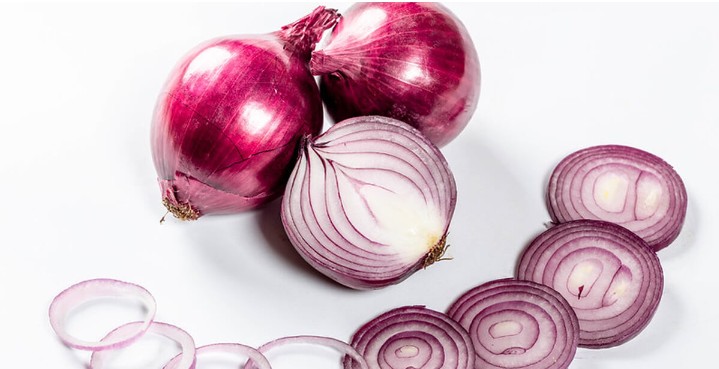
Onion is perfect to add flavor without sodium to kidney diet dishes. Cutting salt might be hard, so it's important to find salt alternatives in meals. Fried onion with garlic in olive oil adds taste without harming kidney health.
Also, onion has lots of vitamin C, B, manganese, and fiber which helps keep the digestive system healthy.
A small onion (70 grams) contains :-
-
Sodium: 3 milligrams.
-
Potassium: 102 milligrams.
-
Phosphorus: 20 mg.
-
Arugula :-

Arugula is a nutrient-dense vegetable. It also has low potassium, making it good for salads and kidney-friendly side dishes. It's a good source of vitamin K and minerals like manganese and calcium, all important for bone health.
Arugula also contains nitrates, which are proven to lower blood pressure. This is helpful for people with kidney disease.
One cup of arugula (45 grams) contains :-
-
Sodium: 6 mg.
-
Potassium: 74 mg.
-
Phosphorus: 10 mg.
-
Pepper :-
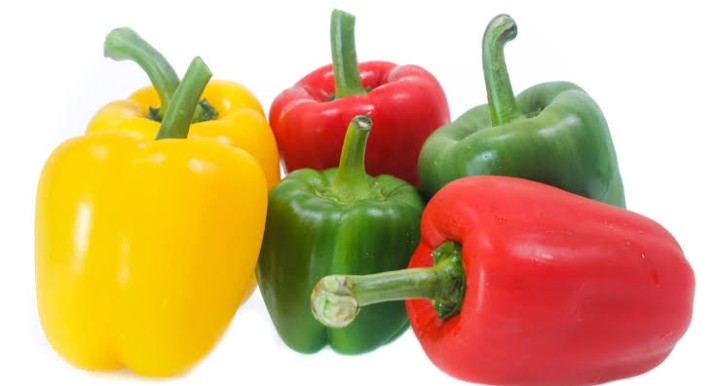
Pepper has high amounts of nutrients and low potassium compared to many other veggies. It's also rich in vitamin C, a strong antioxidant.
A small red pepper (74 grams) has 105% of the recommended vitamin C intake. It also has vitamin A, which is important for immune functions often at risk in kidney disease patients.
A small red pepper (74 grams) contains :-
-
Sodium : 3 mg.
-
Potassium : 156 mg.
-
Phosphorus : 19 mg.
-
Cabbage :-
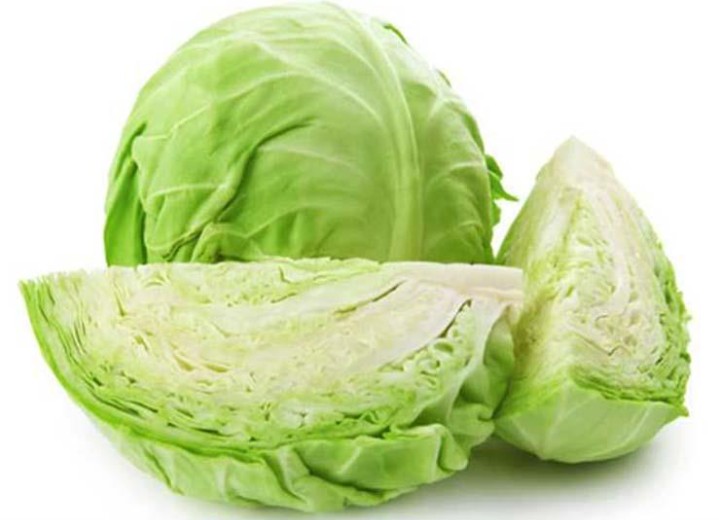
Cabbage has lots of vitamins, minerals, and strong plant compounds. It's a great source of vitamins C and B. Plus, it gives you insoluble fiber that helps your digestive system.
One cup of cabbage (70 grams) has:
-
Sodium: 13 mg.
-
Potassium: 119 mg.
-
Phosphorus: 18 mg.


