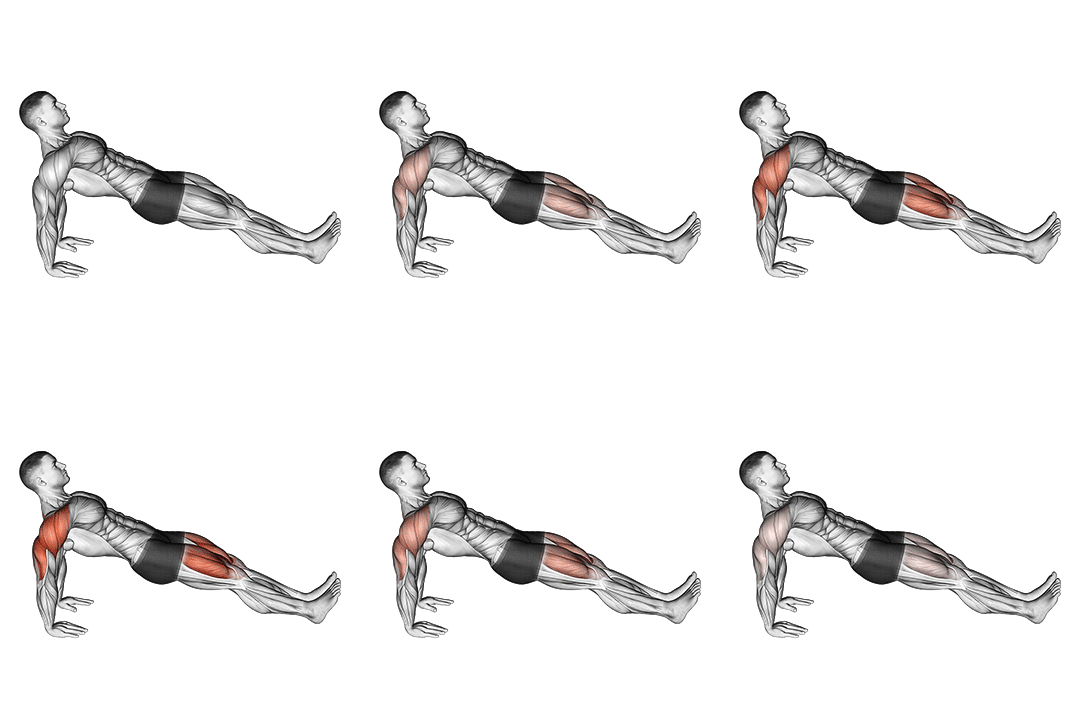
You might think that you can't get a fit, toned body just by doing different workouts at home. You may imagine staying fit only happens by constantly going to gyms and fitness centers, and that anything else is hard work with no visible results. But you're quite wrong if you believe that. Following a workout routine can pay off no matter where you do it. Even if you go to the gym for machines, dumbbells, and other weights, you can easily create that workout environment at home using some tools you already have, like bottles, books, chairs, and other items that set the right mood to exercise at home. Now that we solved the place issue, we still need to set up a workout routine that fits you. So we'll help you with some steps to put together your workout routine based on your condition and health goals. These steps are:
Step one: Define your long-term goals

Each of us has a goal we chase through exercising. Before you set your routine, you need to clearly know your main goal. This goal will be your strong motivation to keep exercising. It might be losing weight, strengthening your joints and muscles, or keeping yourself healthy for the long term. Whatever your goal is, define it clearly before making your routine so you can stick to it as much as possible. Also, write it down so you can look at it whenever you slack off, to get inspired to get back on track.
Step two: Choose exercises that suit you

When you make your workout plan, you should get familiar with various exercises. Watch as many videos as you can, try different moves, know the benefit of each, learn the correct way to do them, and link the exercises you pick to your goal. For example, if your aim is a flat belly, include regular abdominal exercises in your plan until you reach your goal.
Step three: Decide how many times you'll repeat the exercises

After choosing the exercise groups you'll do throughout your routine, you also need to decide how many times you'll repeat each group. Since you're just starting, you can begin with 10 to 15 reps for light exercises. For weight-based exercises like push-ups and squats, lower the reps until you can do them easily. You can also skip weights at first by increasing reps, then decrease reps when using weights, so your muscles don't get too tired and you avoid feeling exhausted.
Step four: Set a rest time

Of course, you'll need rest after a certain number of exercises. Decide this based on your routine. If you're doing light exercises, you can rest for one minute after every 10 minutes. If you're lifting weights, rest for 3 minutes. There’s no strict rule. It depends on your physical health and endurance. Over time, try to reduce your rest time after workouts.
Step five: Decide the weights you can handle

Some exercises need you to lift weights. You should learn at first how many kilos you can carry. At the beginning, you don’t have to carry weights, just your body weight is fine. But as your fitness improves, you’ll need to carry light weights at first so you don’t drain your energy or hurt your muscles.