

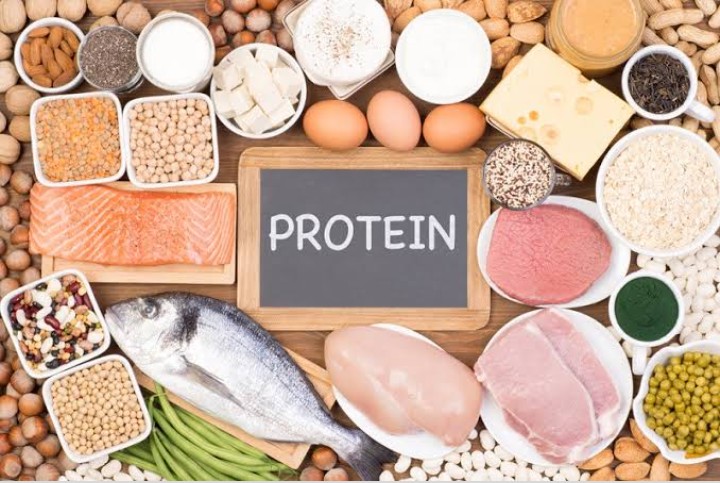
It's important to eat enough protein to meet your body's needs. Protein helps keep your fluid balance, builds and repairs tissues, and carries nutrients. But do you know how much protein your body needs each day? Can you calculate your protein amount? Do you understand the factors that affect your protein number? You'll find answers to all this and more in this article.
First: Figuring out your body's protein needs

You can figure out your protein needs in different ways. One is by setting a percentage of your total daily calories. Or you choose a certain amount of protein grams to eat daily. You can also use your weight and physical activity level to decide how much protein you need each day as follows:-
-
Calculating protein amount based on daily calorie percentage:

Current dietary guidelines say adults get 10-35% of their daily calories from protein. To find your protein number, you need to know how many calories you eat daily. Once you know that, just multiply it by 10-35% to get your protein amount.
For example, a woman who eats 2000 calories a day needs between 200 and 700 calories from protein daily.
-
Determining the daily amount of protein in grams:
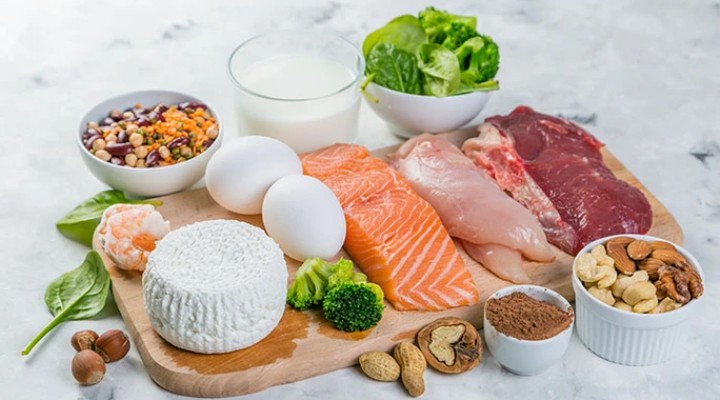
Instead of using percentage calculations, you can find the amount of protein you should eat daily by figuring out the grams needed. This is done by converting the percentage into grams since each gram of protein has 4 calories. So, you can find the grams by dividing the calories from protein by 4.
For example, a woman who eats 2000 calories daily, consuming 200 to 700 calories from protein, would eat 50 to 175 grams of protein each day.
-
Determining protein amount based on weight and physical activity:
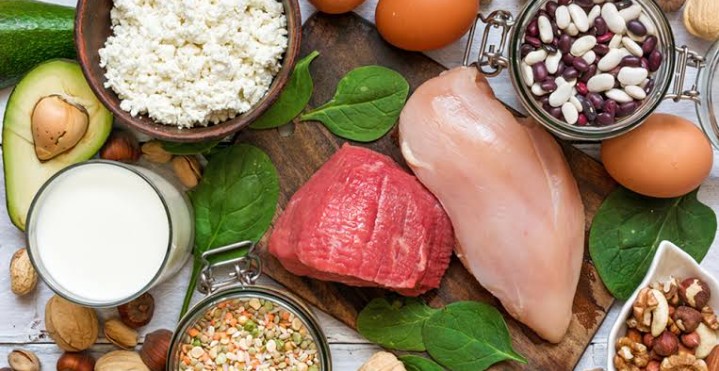
An adult generally needs 0.8 grams of protein per kilogram of body weight daily. So if you weigh 75 kg, you'd need about 60 grams of protein daily. Keep in mind, your protein needs go up as your activity level increases. For example, athletes need more protein, roughly between 1.2 to 2 grams per kilogram of body weight.
Second: The importance of protein for body health

Protein is a major nutrient essential for keeping your body balanced and healthy. It helps maintain body tissues like muscles, internal organs, nervous system, blood, skin, and hair. It also helps transport oxygen, fats, vitamins, and minerals. Eating protein can help control your weight because protein meals take longer to digest, making you feel full and satisfied longer. Plus, some high-protein foods offer extra health benefits. For example, fish (like salmon, tuna, herring) not only contain protein but also have omega-3 fatty acids which are vital for your health. Legumes are high in protein and fiber and have plant chemicals beneficial for your body.
Third: Risks of protein deficiency for the body

Unlike fats and glucose, your body has limited ability to store protein. So if you stop eating protein, your body will start breaking down and damaging muscles.
Fourth: Risks of consuming too much protein

On the other hand, eating too much protein can lead to it being stored as energy or fat. So if you eat a lot of protein, you risk gaining weight. Also, if most of your calories come from protein, it can lower other nutrients like carbs and fats, affecting your body's balance and health.
Fifth: Your sources of protein
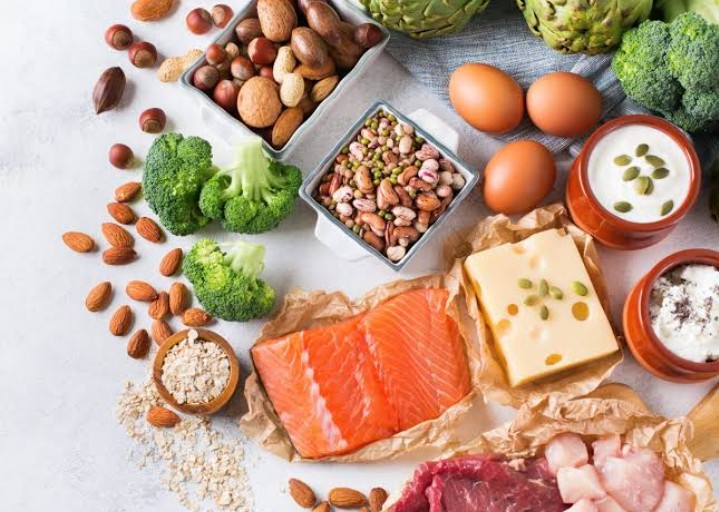
Protein sources vary between plant-based and animal-based, such as the following:
- Lean meats (beef, turkey).
- Chicken.
- Fish and seafood (salmon, shrimp, tuna)
- Dairy products (cheese, cream, butter).
- Eggs.
- Legumes (black beans, chickpeas, lentils).
- Nuts (walnuts, almonds, cashews).
- Seeds (chia seeds, flaxseeds).
You can find more info about the role of proteins and why they're important for the body at here.


