


One common comparison we've heard is that our body is like a machine that needs fuel to run daily functions. But what is this "fuel"? And how does the "machine" work? To get it right, you should know carbs, proteins, and fats make up 90% of the dry weight of our diet and 100% of its energy.
For all three, energy is measured in "calories" but carbs and fats stand apart from proteins. These two nutrients are the source of many misconceptions when it comes to health and nutrition. Let's explain how your body turns these materials into energy.
Converting carbs to energy:
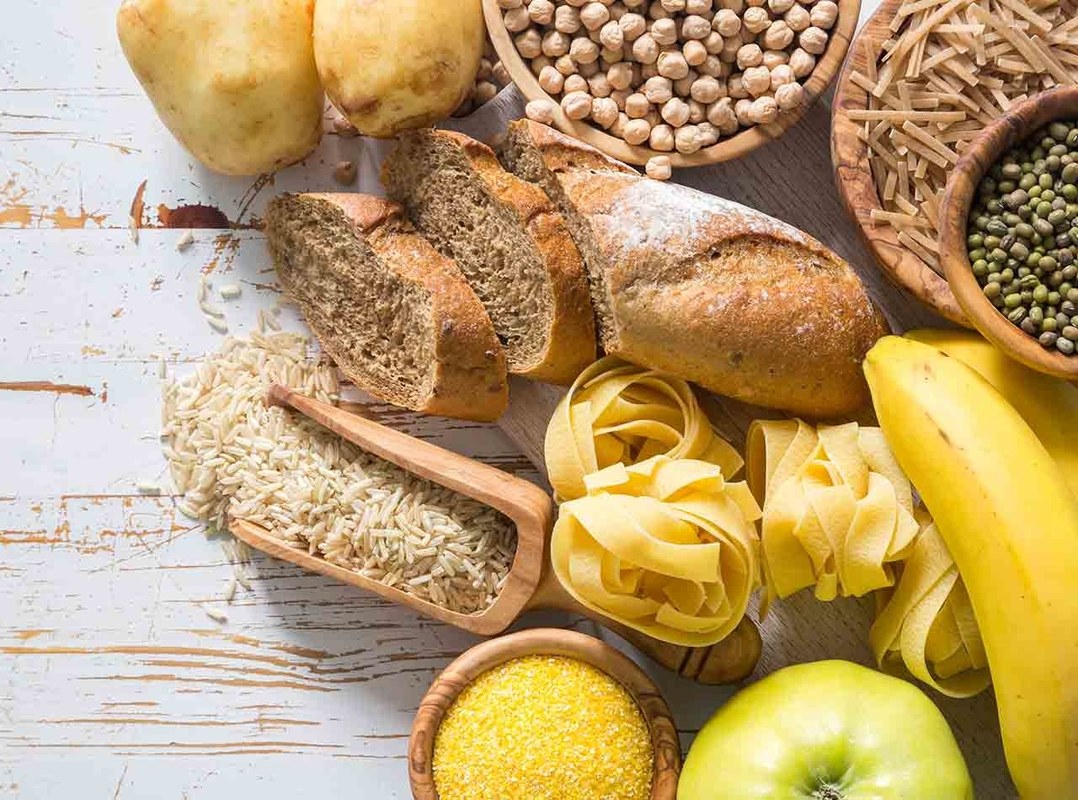
The real changes start in the small intestine for all three categories: protein, carbs, and fats. This is where most nutrients are extracted from the broken down food we eat.
Carbs are generally broken down into sugars and then split into glucose, fructose, and galactose. The one thing that separates carbs from proteins and fats is how fast the body processes them. Some carbs can turn into sugars and enter the bloodstream to be used within 60 seconds after eating. That's why athletes prefer meals rich in carbs before long workouts.
The body enters a state called glycolysis (for glucose) or fructolysis (for fructose) that turns these simple sugars into energy. Extra calories from sugar that aren't used right away get stored in the liver as glycogen. However not all carbs are equal.
Turning fat into energy:

Fat has unfairly gotten a bad rep over the years as part of a healthy diet. People think it harms health and should be avoided whenever possible. Now we're learning fat is actually a key part of overall body wellness and supplies energy to fuel our bodily functions.
When it comes to energy, fat is the slowest to digest of the three main nutrients but also the most efficient. Every gram of dietary fat gives the body about 9 calories. To be clear, protein and carbs each provide 4 calories per gram. In the gut, fats break down into fatty acids and glycerol. These fatty acid chains are turned into energy through a process called beta-oxidation.
So why the bad rep? How does dietary fat show up in the body? The answer lies in unused energy. The body likes to store extra calories for later, even if they’re not used later. This leads to deposits in belly, under skin, and even in blood vessels and organs. Fat itself doesn't cause weight gain, but eating more calories than your body needs does. This is true whether those calories come from protein, carbs, or fat.
How can things go wrong?

Most people think carbs and fats cause many problems but actually these nutrients are vital energy sources for our body. Carbs and fats aren’t unhealthy by nature. The main cause of many issues is eating too much without using energy to turn glucose and fatty acids into fuel. To make those conversions, the body reacts to triggers. Like if you exercise, the body notices and starts turning those calories into energy for your workout. Without activity, extra calories turn into fat deposits or high blood sugar levels, which we see as unhealthy.
It's also important to know not all carb and fat sources are alike. For example, simple carbs like table sugar cause quick spikes in blood glucose. Most are refined sugars stripped of most vitamins and minerals from the original food. This can give quick energy but has no real nutrition, so it’s unhealthy especially if you don’t burn off much energy.
By contrast, sweet potatoes or oatmeal are carbs digested more slowly, so they’re less likely to turn into body fat and they have lots of healthy nutrients too.
One important thing to mention about digestion is enzymes. Enzymes play a quiet but crucial role, breaking down the smaller molecules produced by digestion to power all the metabolism functions in the body. Different enzymes match up with different nutrients, like fats and lipase. In some cases, you can also take supplements with all these important enzymes.
Carbs and fats turn into energy:
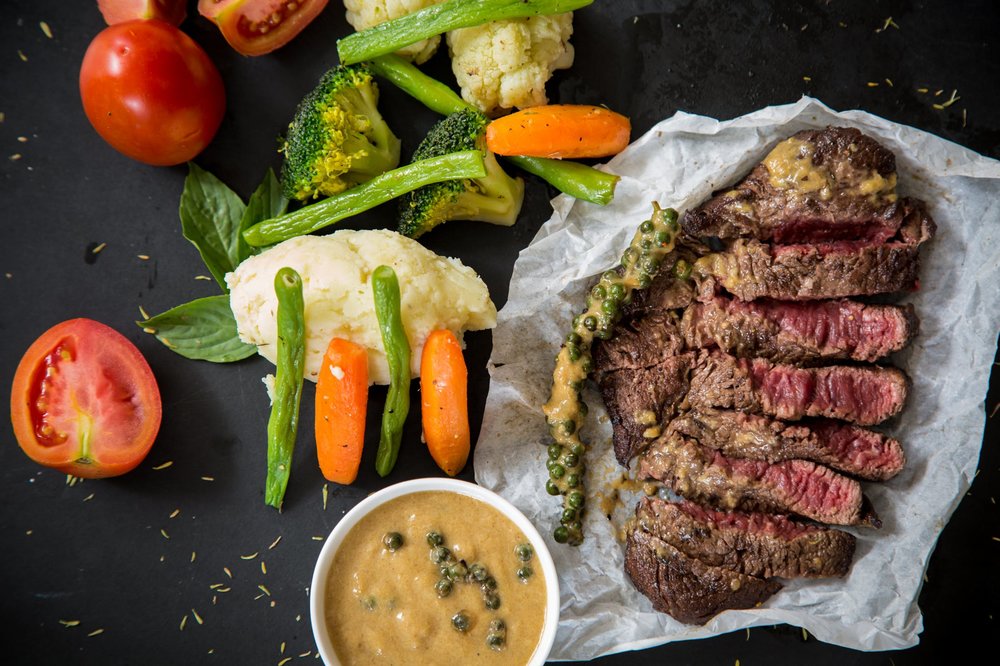
When it comes to nutrition, you have to stick to two main principles:
Balance and quality means you need to eat foods with good nutrition while also making sure you get a variety of carbs and fats. Talking to a doctor or dietitian can help you find where you might be lacking so you can build healthier eating habits.


