

Many women suffer from IBS which causes anxiety, discomfort, and constant pain This article explains the key tips you need to know to reduce the effects of irritable bowel syndrome and enjoy your day without worry:
First: Your special diet

Definitely, irritable bowel syndrome can be one of the most annoying things in your day, So doctors always advise IBS patients to watch what they eat (and don’t eat) because it greatly affects symptoms. Avoiding or reducing trigger foods is a good first step. These include chocolate, alcohol, caffeine, dairy, and fried or fatty foods. Also consider avoiding soda, fruit juices, and sports drinks
Recent research proved the best diet for IBS patients is the FODMAP diet, a healthy plan that avoids foods with certain sugars and fast-digesting carbs that ferment in the stomach and cause issues like bloating, diarrhea, and constipation. Around 50% to 86% of IBS patients following the FODMAP diet noticed improvement and disappearance of severe symptoms. You can consult your nutritionist or rely on your nutritionist and trainer for help,
You can visit the fitness garage app and get help from a professional trainer team at the following link:
Since the FODMAP depends on completing two phases with a planned diet and requires supervision by a nutrition expert.
Second: Managing stress and nervous tension
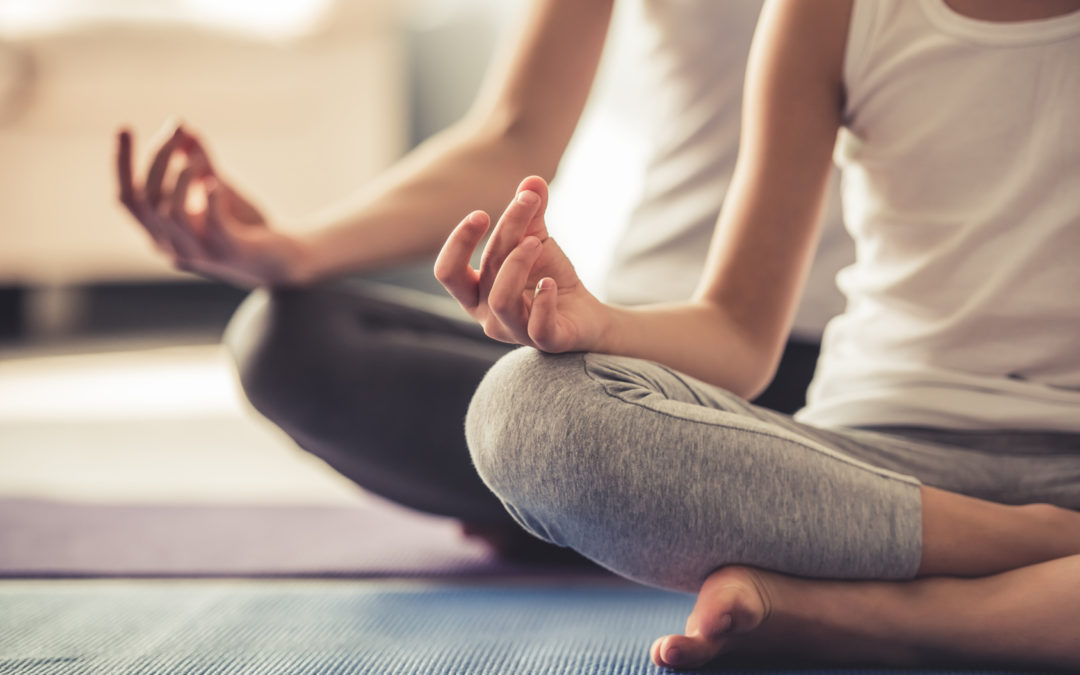
Anything you can do to manage your stress levels can help control your emotional response to irritable bowel syndrome. Stress not only triggers symptoms but usually makes them worse and last longer. Here are some strategies that might help with stress related to IBS:
First:
YogaA 2015 study in the European Journal of Integrative Medicine found that people with IBS who did yoga sessions for an hour, three times a week for 12 weeks, had less severe symptoms and better daily function. Researchers said combining yoga poses with breathing exercises helps reduce stress and lowers anxiety linked to IBS.
Secondly:
MeditationMeditation. A 2015 study in PLOS ONE had people with IBS attend a weekly relaxation program with meditation and breathing exercises, and they were encouraged to do the routine for 15 to 20 minutes daily at home. After nine weeks, the group reported much less anxiety related to IBS.
Thirdly:
Cognitive Behavioral Therapy (CBT):The goal of CBT is to help you become more aware of your thoughts and behaviors and learn to change how you react in stressful situations. A 2015 study in Clinical Gastroenterology and Hepatology found that four weeks of CBT sessions reduced symptom severity in IBS patients and the effect lasted up to three months.
Finally: Medications and supplements

Your doctor might suggest over-the-counter treatments like fiber supplements and laxatives to help with constipation , or meds to help with diarrhea. Depending on your symptoms, your doctor may prescribe other drugs to ease and control symptoms.
Another option could be probiotics , which are live microbes taken as capsules, powder, or from many yogurt products (labeled as having "live and active cultures"). It's thought that probiotics help fix gut issues by restoring the bacterial balance in the intestines and maybe boosting the immune system.


