

Vegetables are foods that provide many important nutrients for you and your health. Vegetables in general are full of vitamins and minerals fiber and antioxidants.
Vegetables are divided into many types like leafy greens, dark leafy greens, starchy vegetables, and more. In this article, we will learn about the importance of starchy vegetables and healthy ways to enjoy them as part of a healthy diet.
-
First: What are starchy vegetables?

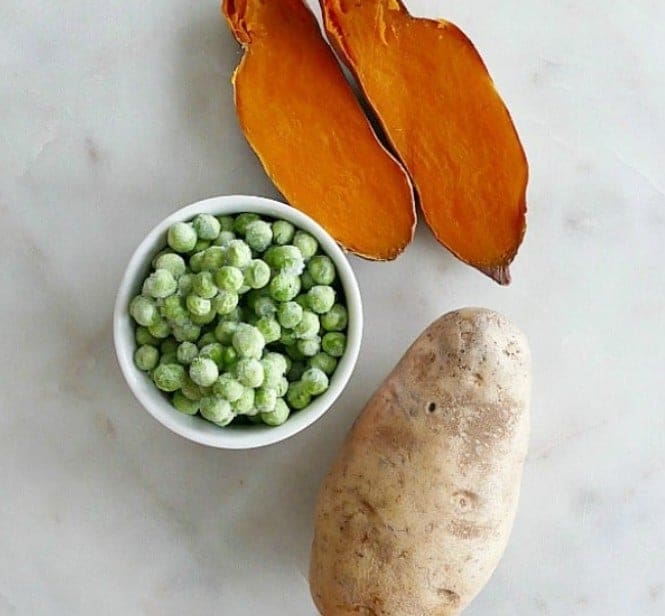
Starchy vegetables like corn, peas, potatoes, sweet potatoes, and squash are a type of vegetables that provide important nutrients like vitamins, minerals, fiber, and antioxidants.
There might be common advice to limit starchy vegetables, especially for those with type 2 diabetes or those following a low carb diet, because the starch in starchy vegetables breaks down into carbohydrates and increases Carbohydrates From blood sugar.
But that doesn't mean starchy veggies are totally off-limits. You can watch your portions and prepare them in healthy ways to enjoy them without conflicting with your health or weight goals.
-
Secondly: Carbohydrates in starchy vegetables:

Starchy vegetables have more carbs than non-starchy ones, and they have a Glycemic Index, which means they raise blood sugar faster than other veggies.
Starchy veggies also have more calories than the same portions of non-starchy veggies, so it's important to think about this, especially if you're trying to lose weight.
-
Third :- How to control your portion of starchy vegetables?:-
If you are trying to control your carb intake, you need to watch your portions of starchy vegetables. Keeping an eye on portion sizes is important for managing diabetes.
There is an easy way to monitor portions without counting carbs and it is The plate method, according to this method you should divide your plate like this :-
-
¼ of the plate starchy vegetables.
-
½ of the plate non-starchy vegetables.
-
¼ of the plate lean proteins.
But nutritional needs are not one size fits all, so you should work with your healthcare provider to figure out the right amounts and ratios for you.
-
Fourth: Calories in servings of starchy vegetables:

The following table shows portion sizes of cooked starchy vegetables. One serving has about 15 grams of carbs, 3 grams of protein, and 80 calories.
If you estimate portion sizes by eye then:
-
About a ½ cup serving equals the size of your cupped palm.
-
About a 1 cup serving equals the size of your closed fist.
| Starchy vegetables | Portion size |
| Beets | 1 cup |
| Carrots | 1 cup |
| Corn | 1/2 cup |
| Green peas | 1/2 cup |
| White carrot | 1/2 cup |
| Pumpkin | 1 cup |
| Sweet potato | 1/2 cup |
| Taro | 1/2 cup |
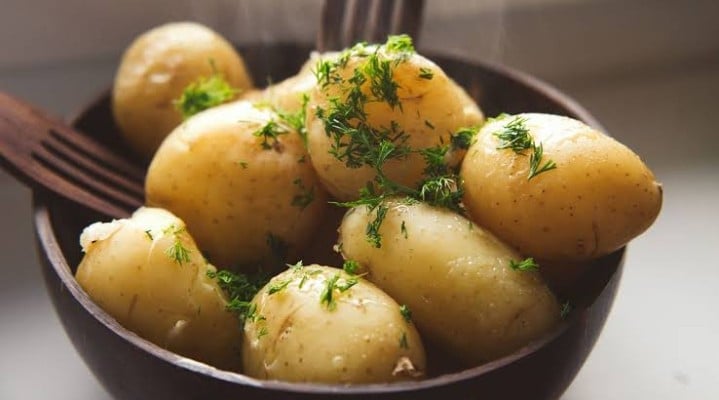
| Potatoes | 1/2 cup boiled or roasted |
-
Fifth, healthy ways to cook starchy vegetables:
Starchy vegetables can be a healthy choice when cut and cooked the right and healthy way.
Healthy cooking methods make a big difference in how healthy starchy veggies are. For example, potatoes, a common starchy vegetable, are often eaten fried or as chips. But these are not the healthiest ways to enjoy potatoes because these cooking methods are high in calories, saturated fats, and sodium.
So instead of frying starchy veggies, try other healthier cooking ways like:
-
baking.
-
roasting.
-
Steamed.
-
Grilled.
Along these lines, you can swap fried potatoes for baked potatoes, or try some grilled squash.
-
Sixth: The link between starchy vegetables and blood sugar levels:

Starchy vegetables can raise blood sugar levels more than non-starchy ones because they have more calories and carbs. This might cause problems for people with diabetes or those on low-carb diets.
Eating a variety of fruits and vegetables is good for your health and longevity. So instead of cutting out starchy veggies, try to manage your portions and cook them in healthy ways.


