

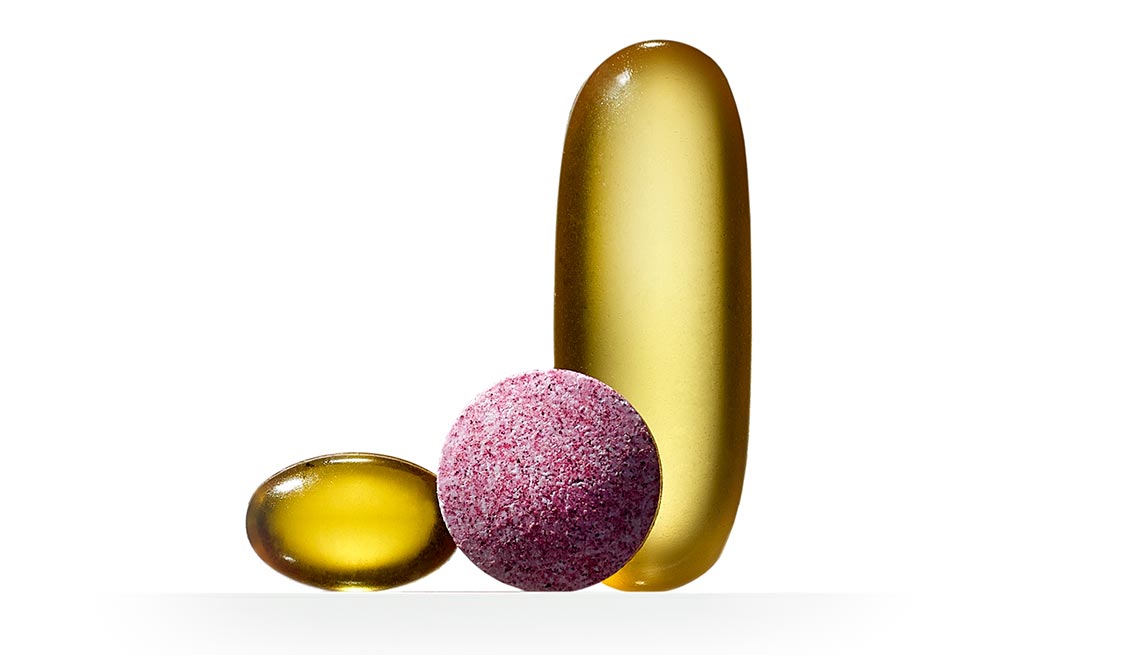
If you want to take some vitamins to boost your body health and improve its vital functions. Here is an article to help you learn more about the suitable vitamins for women.
How much do we need vitamins?

Our bodies' vitamin needs differ between men and women. Usually, it’s relatively easy to get vitamins from food. But keeping the same level sometimes needs vitamin supplements. Studies say vitamins and micronutrients are vital for normal cell functions, growth, and development. Since it’s hard to make all nutrients inside the body, you should get a lot from healthy and varied food sources.
What are the most important vitamins?

Here are the key vitamins your body needs to work right:
- Vitamin A: It's essential for vision health, skin, and tissues.
- Vitamin B1 (Thiamine): It helps the body metabolize fat and produce energy.
- Vitamin B2 (Riboflavin): It's an antioxidant and protects the body's cells.
- Vitamin B3 (Niacin): It helps reduce the risk of heart and blood vessel diseases.
- Vitamin B5 (Pantothenic acid): It's needed to make hormones, keep the immune system healthy, and produce energy.
- Vitamin B6 (Pyridoxine): It helps make myelin, which is the stuff that forms the protective layer around cells.
- Vitamin B7 (Biotin): It's important for boosting metabolism efficiency and supporting healthy skin, hair, nails, and cells.
- Vitamin B9 (Folic Acid): It's essential for the nervous system to work properly.
- Vitamin B12 (Cobalamin): It's essential for making red blood cells and nerve cells.
- Vitamin C: It's a vitamin needed for growth and fixing body tissues.
- Vitamin D: It helps with calcium absorption.
- Vitamin E: It boosts the immune system.
- Vitamin K: It's a vitamin that helps blood clotting and prevents bleeding. It also keeps the heart and bones healthy.
- Choline: It’s important for boosting liver, nerve, and muscle function.
Many other vitamins do similar jobs. For example, vitamins A and C help keep your teeth and tissues healthy. Several B vitamins improve how well your metabolism works and also help make red blood cells.
What are the sources to get vitamins?

Here are some food suggestions you can eat to get specific vitamins. These are recommended for adults and kids over 4 years old:
| Vitamin | Food source | Recommended daily amount |
| A | Carrots, apricots, cantaloupe | 5000 |
| B1 | Lean meats, nuts, and whole grains | 1.5 mg |
| B2 | Dairy products and green leafy vegetables | 1.7 mg |
| B3 | Legumes, fish, and poultry | 20 mg |
| B5 | Broccoli, sweet potatoes, and mushrooms | 10 mg |
| B6 | Avocado, banana, and nuts | 2 mcg |
| B7 | Nuts and chocolate | 300 mcg |
| B8 | Beetroot, lentils, and peanut butter | 400 mcg |
| B12 | Oysters, eggs, and milk | 6 mcg |
| C | Citrus fruits, strawberries, and Brussels sprouts | 60 mg |
| D | Salmon, milk, and dairy products | 400 IU |
| E | Mango, peaches and vegetable oils | 30 IU |
| k | Cauliflower, cabbage and beef | 80 mcg |
| Choline | Eggs, meat, and hard vegetables | 40 mg |
What are the cases that need taking supplements?

Most people don't need extra vitamins (supplements) except when a doctor advises. but there are some rare special cases like:
- Pregnant women:
Pregnant women may need some vitamins like B6 and B12, plus folic acid which helps lower the risk of birth defects and is recommended daily for at least a year before pregnancy because it also helps prevent low birth weight.
- Different diets:
If you follow a vegetarian diet you might need more vitamin B12 plus foods rich in vitamins. But if you're vegan and don’t eat dairy, eggs, fish, or meat, you could be more at risk of vitamin A deficiency. So try to eat lots of vegetables and fruits, and get zinc too.
- Aging:
Older women and people who avoid the sun need extra vitamin D supplements. But don't overdo it or take more than the daily recommended amount. So, get the right dose from your doctor. Vitamin D helps fight diseases like cancer, heart issues, and diabetes. Older people also often lack vitamin B.
- Nutrient Deficiency:
It's important to get enough nutrients regularly to avoid side effects from deficiencies. The most common symptoms are headaches and general tiredness.
Symptoms of Nutrient Deficiency:
- Tingling in limbs that points to vitamin B deficiency.
- Muscle cramps that show a lack of magnesium, calcium, or potassium.
- Tiredness, weakness, and muscle pain that indicate vitamin D deficiency.
- Memory loss, which is a sign of vitamin B12 deficiency.
- Mouth sores, or fatigue that points to folic acid deficiency.
- Poor night vision and bumps appearing on the back of your arms. these all suggest vitamin A deficiency.
You can do a simple blood test to check your overall health.And to make sure you don’t have any nutrient deficiencies causing these symptoms.
If you have any of these symptoms, you should quickly see your doctor:
- Fatigue
- General weakness
- Muscle cramps, or tingling
- Dizziness
- Headache
Although using vitamins and taking them has become common, it's important to remember they don't prevent chronic diseases or lower your chance of many health problems. It's clear that companies exaggerate when promoting their pharmaceutical products. (nutritional supplements). To boost their sales, doctors always advise getting your nutrition from food directly and only taking supplements when absolutely necessary, and in the exceptional cases mentioned above.
You can check out the top nutritional supplements for 2020 from here.


