


Salmon is one of the most nutrient-rich foods. This famous fatty fish is not just packed with nutrients but also lowers some risk factors for many diseases. Plus, salmon is tasty, very versatile, and widely available. This article will show us some amazing health benefits of salmon.
-
Salmon fish are rich in omega-3 fatty acids:

Salmon is one of the best food sources of long-chain omega-3 fatty acids. A 100 gram serving of salmon has 2.3 grams of omega-3 fatty acids.
Unlike most other fats, omega-3 fats are essential. This means you have to get them from your diet because your body can’t make them.
Omega-3 fatty acids have many impressive health benefits like:
-
Reducing the risk of heart disease.
-
Reducing the risk of cancer.
-
Improving artery functions.
-
Reducing inflammation.
-
Lowering blood pressure.
-
Improving the function of cells lining the arteries.
For how much fatty fish to eat, having at least two salmon meals a week can help meet your omega-3 fatty acid needs.
-
Salmon fish is a good source of protein :-

Salmon is rich in high-quality protein, like omega-3 fatty acids. Protein is another essential nutrient you need in your diet. It plays many important roles in the body including helping your body heal after injury, protecting bone health, and keeping muscle mass during weight loss and aging.
Studies found that for good health, each meal should provide at least 20 to 30% of high-quality protein. A 100g serving of salmon has 22 to 25g of protein.
-
Salmon fish is an excellent source of B vitamins:
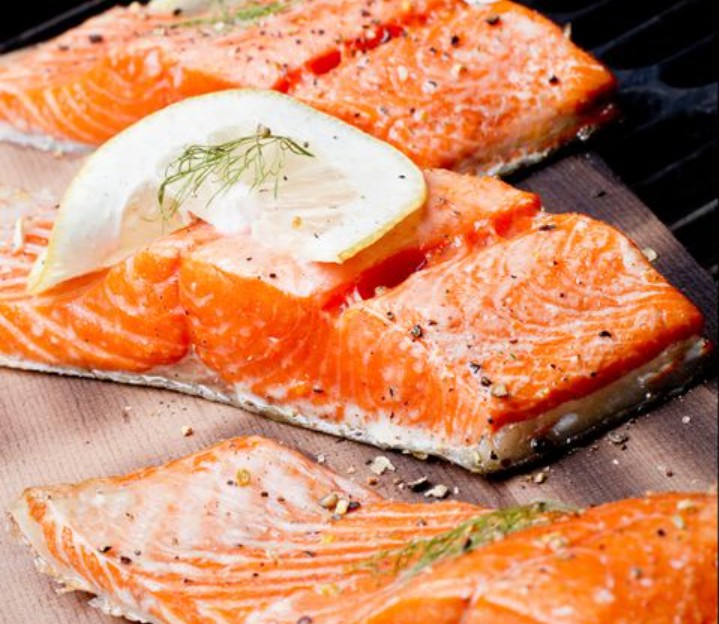
Salmon fish is an excellent source of B vitamins, a 100g serving contains the following:
-
Vitamin B12: More than 100% of daily value.
-
Niacin: 63% of daily value.
-
Riboflavin: 38% of daily value.
-
Pantothenic acid: 38% of daily value.
-
Thiamine: 23% of daily value.
-
Folic acid: 7% of daily value.
All these vitamins share many key roles in your body, like turning the food you eat into energy, building and fixing DNA, and cutting down chronic inflammation that can lead to illness.
Studies show B vitamins work together to keep your brain and nervous system working their best.
-
Salmon fish is a good source of potassium:

Salmon has a high potassium level, especially wild salmon which gives 13% of the recommended daily potassium per 100g, compared to 8% in farmed salmon.
Potassium helps control blood pressure and lowers stroke risk. Research found potassium supplements significantly reduce blood pressure in people with high blood pressure, especially those who eat a lot of sodium.
Potassium and sodium work together to help balance fluids and lower blood pressure by stopping excess water retention.
-
Salmon fish is rich in selenium:

Selenium is a mineral found in soil and some foods. It's a trace mineral, meaning your body only needs small amounts. Still, getting enough selenium in your diet is important.
Studies show selenium helps protect bone health, lowers thyroid antibodies in people with thyroid diseases, and may reduce cancer risk.
A 100 gram serving of salmon provides about 75 to 85% of your daily selenium needs.
-
Salmon fish contains astaxanthin:
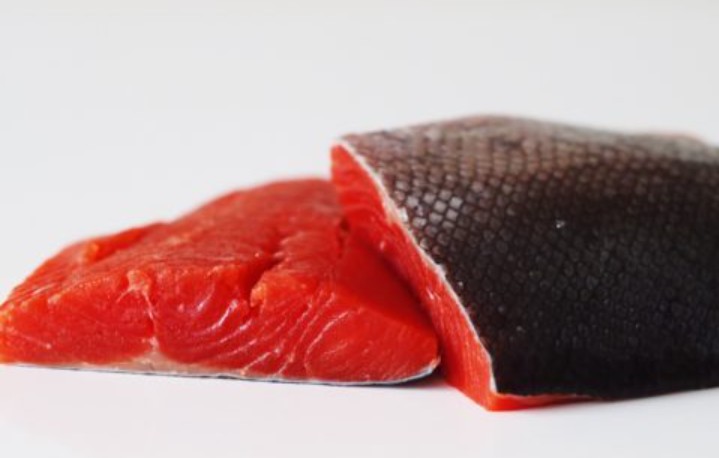
Astaxanthin (astaxanthin) is a compound linked to many strong health effects. It's part of the antioxidant carotenoid family and gives salmon its distinctive red color.
Astaxanthin lowers heart disease risks by reducing oxidation of bad cholesterol (LDL) and increasing good cholesterol (HDL). It also reduces inflammation and oxidative stress and protects against fat buildup in arteries.
Astaxanthin also helps prevent skin damage and keeps you looking younger. A 100 gram salmon serving has about 0.4 to 3.8 mg of astaxanthin.
-
Salmon fish is good for weight management:

Eating salmon often can help you lose weight and keep it off. Like other high-protein foods, it helps regulate hormones that control appetite and make you feel full.
Also, your metabolism goes up after eating high-protein foods like salmon compared to other foods.
Research also shows omega-3 fats in salmon and fatty fish may boost weight loss and reduce belly fat in people who are overweight.
Salmon is also fairly low in calories. A 100g serving of farmed salmon has about 206 calories, while 100g of wild salmon has only 182 calories.
Salmon is a nutritional powerhouse with many health benefits. Eating at least two servings a week can meet your dietary needs and lower your risk of many diseases. Plus, salmon tastes great, is satisfying, and versatile. Including fatty fish regularly in your diet can improve your health and quality of life.


