

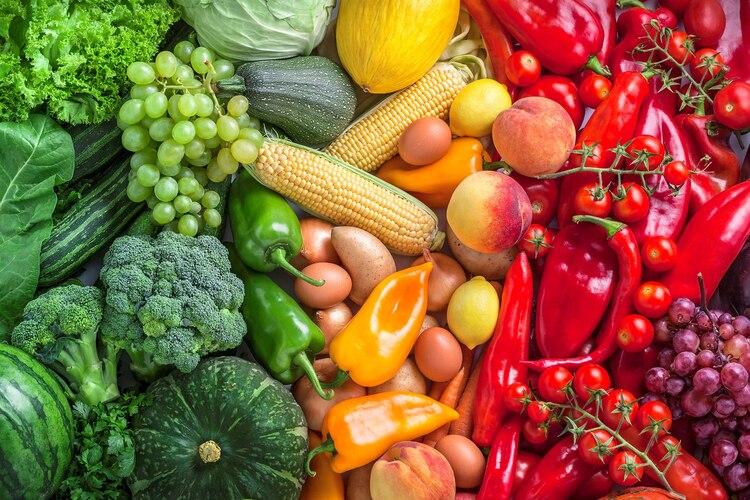
Plant foods are important nutrients rich in natural chemicals that help protect plants from germs, fungi, and many other threats, plus they offer many health benefits.
Fruits and vegetables have a lot of plant nutrients. Examples of these foods are:
- Fruits
- Vegetables
- Spices
- Grains
- Nuts
- Beans
- Tea
Vitamins and minerals are very important for human survival unlike plant nutrients. Some diseases might be prevented by them but not always. Vitamins and minerals are important but there are more than 25000 types of plant nutrients. Below we will list some of the most important plant nutrients and their health effects.
Important plant compounds are:
- Carotenoid compounds
- Ellagic acid
- Flavonoid compounds
- Resveratrol compounds
- Glucoside compounds
- Phytoestrogen compounds
Carotenoid compounds:

There are more than 600 types of carotenoids, which have yellow, orange, and red colors. They are often found in fruits and vegetables and act as antioxidants in the body, helping prevent tissue damage.
Here are some other health benefits of carotenoids:
- The body converts alpha-carotene, beta-carotene, and beta-cryptoxanthin into vitamin A, which helps keep the immune system healthy. These are also important for eye health and are found in oranges, honeydew melon, and sweet red peppers.
- Lycopene, known for its red or pink color, is found in some vegetables and fruits like tomatoes, watermelon, and pink grapefruit. This nutrient helps reduce the risk of prostate cancer.
- Lutein and zeaxanthin compounds are found in vegetables like spinach, kale, and lettuce. They help protect you from cataracts and age-related macular degeneration.
Ellagic acid:

The most known sources of this acid are berries, strawberries, pomegranate, grapes, and walnuts. They work by stopping cancer cells from growing by helping the liver not release cancer-causing chemicals. They also help lower cholesterol.
Flavonoid compounds:

There are many plant nutrients under flavonoids, and these compounds are found in many plant foods.
Examples of these compounds:
- Green tea, or catechin compound, is a great source of antioxidants that also help avoid getting cancer.
- Hesperidin compound found in citrus fruits is full of antioxidants that help reduce inflammation in the body.
- Quercetin compound found in apples, berries, cabbage, and onions helps lower the risk of coronary heart disease, asthma, and some types of cancer.
Resveratrol compounds:

Grapes, purple grape juice, red wine, peanuts, pistachios, strawberries, berries, and dark chocolate are the main types that have resveratrol compounds. These work as antioxidants and anti-inflammatories. They are also good for heart health and help increase blood flow to the brain.
Glucoside compounds:

These compounds are found in sturdy vegetables like cabbage, lettuce, and broccoli. Glucosides give a unique smell and taste during cooking. When digested, glucosides turn into other chemicals that help control cancer development and growth.
Phytostrogen compounds:
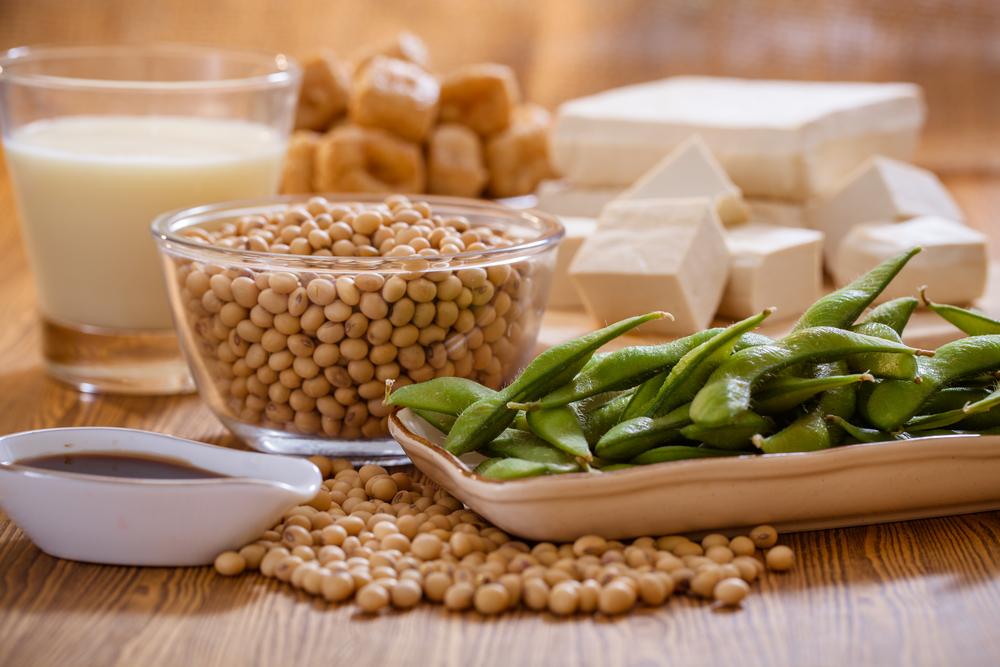
Plant estrogen acts like the estrogen released by the body. Soy foods have isoflavone compound, a type of phytostrogen. Evidence shows soy might be linked to lower risks of uterine cancer and bone loss in women. Lignan is also a phytostrogen compound. The body turns it into chemicals that mimic estrogen's effects. Flax seeds and sesame seeds are great sources of this compound.


