

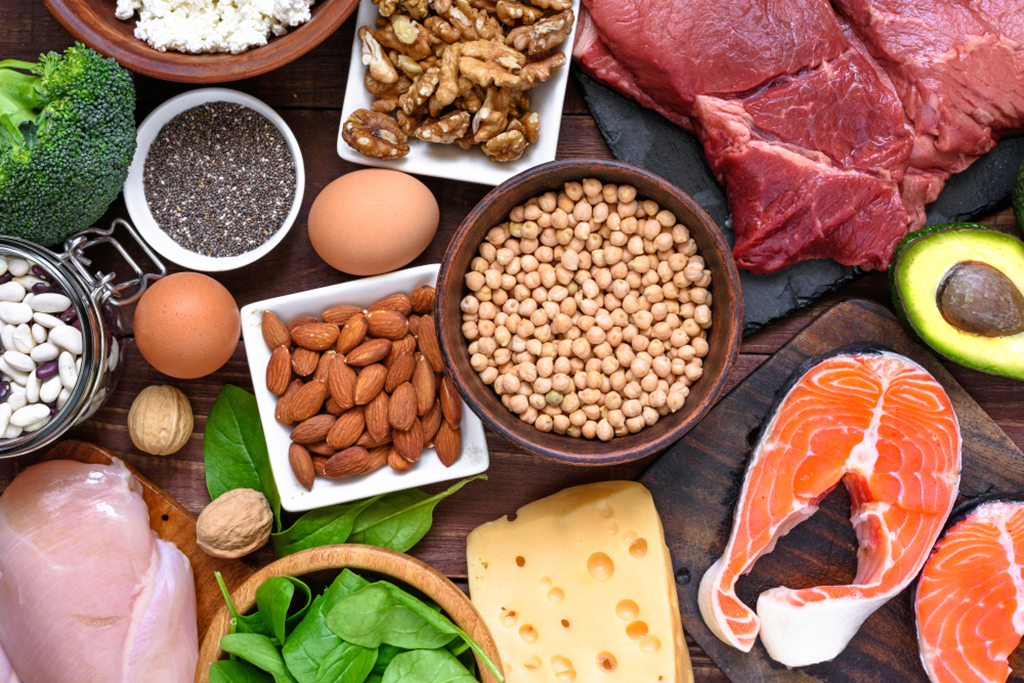
Minerals are a key part of a healthy diet. They are nutrients that most healthy people need daily to stay healthy. People with disorders might need more or less than these amounts. Taking too little or too much of certain minerals can cause a nutritional disorder. Nutrients are divided into two groups: trace minerals and major minerals. Taking large amounts (huge doses) of mineral supplements without medical supervision can cause harmful (toxic) effects.
Major Minerals or Main Minerals
| Minerals | Function | Source |
| Sodium | Responsible for fluid balance in the body, stomach acid, and muscle contraction | Table salt, large amounts in processed foods, small amounts in baked goods and vegetables |
| Chloride | Responsible for fluid balance in the body and stomach acid | Table salt, large amounts in processed foods, small amounts in baked goods, vegetables and unprocessed meats |
| Potassium | Responsible for fluid balance in the body, stomach acid, and muscle relaxation | Meats, milk, fruits, vegetables, and whole grains |
| Calcium | Important for bone and teeth health, blood pressure, and nerves regulation | Milk and dairy, salmon and sardines, broccoli and legumes |
| Phosphorus | Important for bone and teeth health, keeps acid-base balance | Meat, fish, poultry, eggs, milk, and processed foods |
| Magnesium | Good for immune system, muscles, and bones health | Nuts, seeds, legumes, leafy greens, seafood, chocolate, and artichokes |
| Sulfur | Protein molecules | Meat, poultry, fish, eggs, milk, legumes, and nuts |
Trace minerals:
The body needs these minerals in very small amounts even though the needed amount is a bit more than other trace minerals.
| Minerals | Function | Source |
| Iron | Part of the hemoglobin molecule in red blood cells that carries oxygen in the body | Red meat, fish, poultry, egg yolk, legumes, dried fruits, dark leafy vegetables, and bread |
| Zinc | Part of enzymes needed to make proteins and genetic material. It helps with taste, wound healing, fetus growth, sperm production, and immune health | Meat, fish, poultry, fermented grains, and vegetables |
| Iodine | Found in thyroid hormone, helps growth and boosts metabolism | Seafood, foods grown in iodine-rich soil, bread, and dairy products |
| Selenium | Antioxidants | Meat, seafood, and grains |
| Iron | A part of enzymes needed to absorb iron | Legumes, nuts, seeds, whole grains, meat, and drinking water |
| Manganese | Part of enzymes | Common in foods generally, especially plant foods |
| Fluoride | Important for making bones and teeth and helps prevent decay | Drinking water, eating fish, and various kinds of tea |
| Chromium | Works great with insulin to control blood sugar levels | Unrefined foods, yeast, whole grains, nuts, and cheese |
| Molybdenum | Part of enzymes | Legumes, bread, grains, leafy vegetables, milk, and liver |


