


Malnutrition means getting too little, too much, or imbalanced energy and/or nutrients. It covers two groups of health issues. One is undernutrition, including stunted growth (short height for age), wasting (low weight for height), underweight (low weight for age), and micronutrient deficiencies or insufficiencies (lack of important vitamins and minerals). The other is overweight, obesity, and diet-related non-communicable diseases (like heart disease, stroke, diabetes, and cancer).

Eating the right amount of healthy food is key for a long, healthy life. The body might need certain nutrients more, like vitamin D and calcium, because as we age, the body can struggle to absorb and use nutrients from food. That's why most adults don't get the nutrition they actually need. So it might be smart to know the signs of malnutrition so you can see your doctor if you notice any of these symptoms:
1. Feeling tired

If you’re feeling low energy all the time, it could mean you’re not getting enough of some nutrients like iron. Low iron can cause anemia (not enough red blood cells to carry oxygen and nutrients around). Some health issues like heart disease and thyroid problems can also cause feeling tired.
22. Dry hair
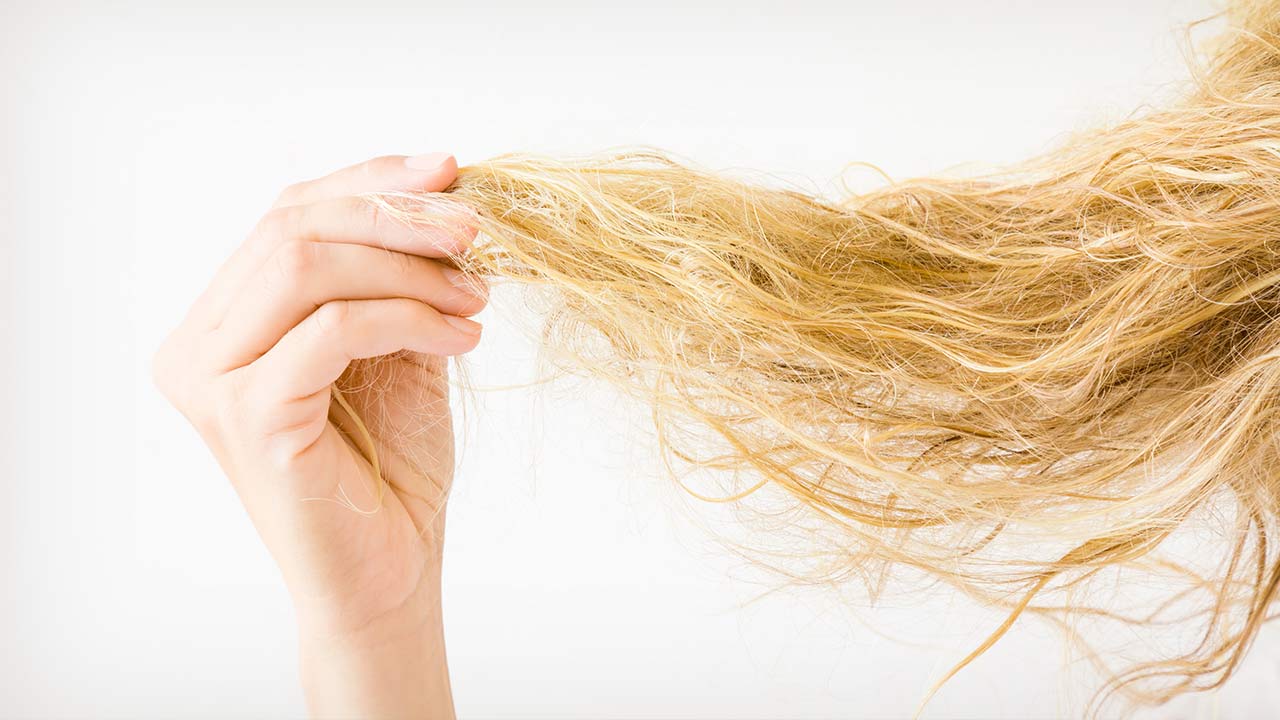
Nutrients like iron, folic acid, and vitamin C are crucial for healthy hair. If you don’t get these from a balanced diet, you might notice unhealthy changes in your hair and your skin might get thin and pale. But some other health problems like thyroid issues can also affect hair and skin.
3. Nails growing wavy or spoon-shaped

Bad nutrition can cause lots of changes in your nails. Like your skin, nails can become thin and brittle or grow curved or spoon-shaped. These nail problems usually happen because of low iron, protein, calcium, and some vitamins like A, B6, C, and D.
44. Dental problems.

Teeth are among the first places where signs of bad nutrition show up. Lack of vitamin C can cause bleeding, irritation, and gum inflammation, which can lead to losing your teeth in most cases. Bad nutrition here can be a double-edged sword because if your teeth hurt, eating healthy becomes very hard, making it even tougher to keep your teeth healthy.
5. Changes in bowel movements

Diarrhea can happen if you don’t get enough fiber from whole grains, veggies, and fruits. So you need to eat fiber-rich foods regularly.
6. Mood changes and mental health problems

A bad diet plays a big role in causing depression and can affect many mental functions. It can make you lose interest in things you used to enjoy and you might also feel confused and forgetful.
7- Getting bruises easily and slow wound healing

If you bruise easily especially without a strong reason like a fall or hitting something, your diet might be playing a role. You might be low in protein, vitamin C, or vitamin K. All of these are important for wounds to heal. Vitamin C helps tissues repair themselves and vitamin K is important for blood clotting.
8. Slow immune response

Without good nutrition, your immune system might not be strong enough to fight illnesses. Important nutrients for boosting immunity include protein, zinc, and vitamins A, C, and E. The best way to avoid these health problems is to eat a balanced diet with fruits, veggies, lean protein, whole grains, low-fat dairy, and healthy oils. Try to include a variety of these foods in every meal to get your needed vitamins and minerals. Also, try to limit processed and canned foods because they have lots of saturated and trans fats.


