


Ramadan is a special month each year for all Muslims worldwide who share the fasting ritual. Fasting in Ramadan means no eating or drinking from sunrise until sunset. This offers a spiritual chance for self-growth, commitment, and willpower. The month often starts with hopeful energy as many set spiritual goals. However, it can be easy to slip up while fasting and balancing daily responsibilities. So in this article, we'll give you some science-backed tips for safe and successful fasting during Ramadan.
-
Don't skip Suhoor:

In Ramadan, there are basically two main meals: Suhoor and Iftar. Suhoor is eaten late at night or just before dawn to help support fasting the whole day. Lots of people skip Suhoor saying they can't wake up or aren't hungry. But nutrition experts say skipping Suhoor is a bad choice that affects your energy all day. Many then turn to simple carbs at Suhoor. But simple carbs won't give you enough energy for a whole day fasting. So nutrition experts recommend eating whole grains paired with fats, andhealthy proteins, andcomplex carbs that make you feel full and satisfied, plus fruits and veggies, Meals like these are recommended:
- Oatmeal.
- Pancakes.
- Salad.
- Strawberry and chocolate oatmeal.
-
Keeping your body hydrated:

Drinking water is very important as it has many health benefits. Not drinking enough water can worsen mood and increase fatigue. It can affect energy levels and memory. Drinking enough water helps manage chronic health conditions. It also plays a big role in preventing and treating headaches, migraines, kidney stones, and constipation. Plus, it helps keep blood pressure stable. Some scientific evidence shows staying hydrated lowers appetite and hunger, which is very helpful during fasting. But how can you keep your body hydrated while fasting?!
- Use the time between iftar and suhoor to rehydrate and drink the recommended amount of water.
- Always keep a water bottle close and drink from it whenever you can.
- It might also help to pay attention to what you eat. While sweets in Ramadan are tempting, try to pick foods with high water content instead of sweets like:
- Strawberries.
- Watermelon.
- Cantaloupe.
- Cucumber.
- Zucchini.
- Sweet pepper.
- Tomatoes.
And if Ramadan falls during hot weather, wear light clothes and avoid the sun as much as you can.
-
Watch out for the breakfast meal dishes:
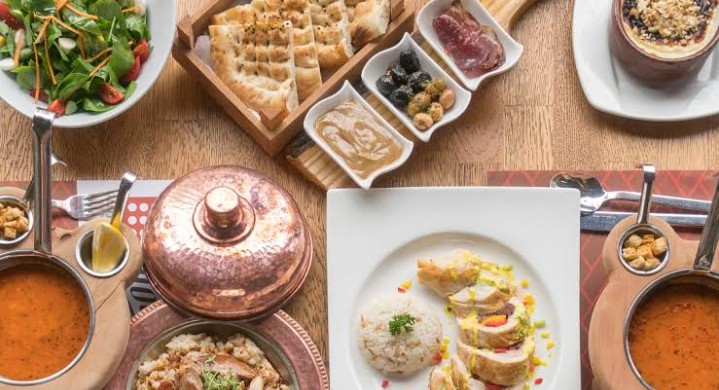
Traditional foods are the main dishes on the Ramadan Iftar table, usually heavy and rich in fats. This might be okay if it's just one day like a holiday but having it like this for thirty days means you really need to pay attention and rethink it, because such dishes might not be a healthy choice.
After a full day of fasting and not eating, feeling very hungry might make you want to eat too much. This can cause you to feel overly full and gain weight over the month. So nutrition experts recommend breaking your fast with dates, some fruit, and water. You can also perform the Maghrib prayer before starting your main meal. The natural sugars in fruit help your body feel like it has eaten so you won't feel starving and be less likely to overeat.
For your Iftar meal, you can divide your plate roughly like this:
- Vegetables or salad: half the plate.
- Carbohydrates: a quarter of the plate.
- Protein: a quarter of the plate.
-
Understand your health condition well:

Having a chronic medical condition doesn’t mean you can’t fast. But you should plan ahead and make the needed adjustments to fast safely and healthily. People with common conditions like diabetes and high blood pressure can fast if their condition is stable. They will need to closely monitor blood sugar and pressure, stay well-hydrated, and adjust their medication schedule. Clinical pharmacy experts say most meds should continue during Ramadan but with timing changed to fit the fasting schedule. They also say if fasting makes your condition worse even after adjusting meds, then you shouldn't fast.
If fasting doesn’t suit your health during Ramadan, don’t worry. You can make up the days after Ramadan when you’re healthy or compensate by giving charity, after checking with a fatwa authority.


