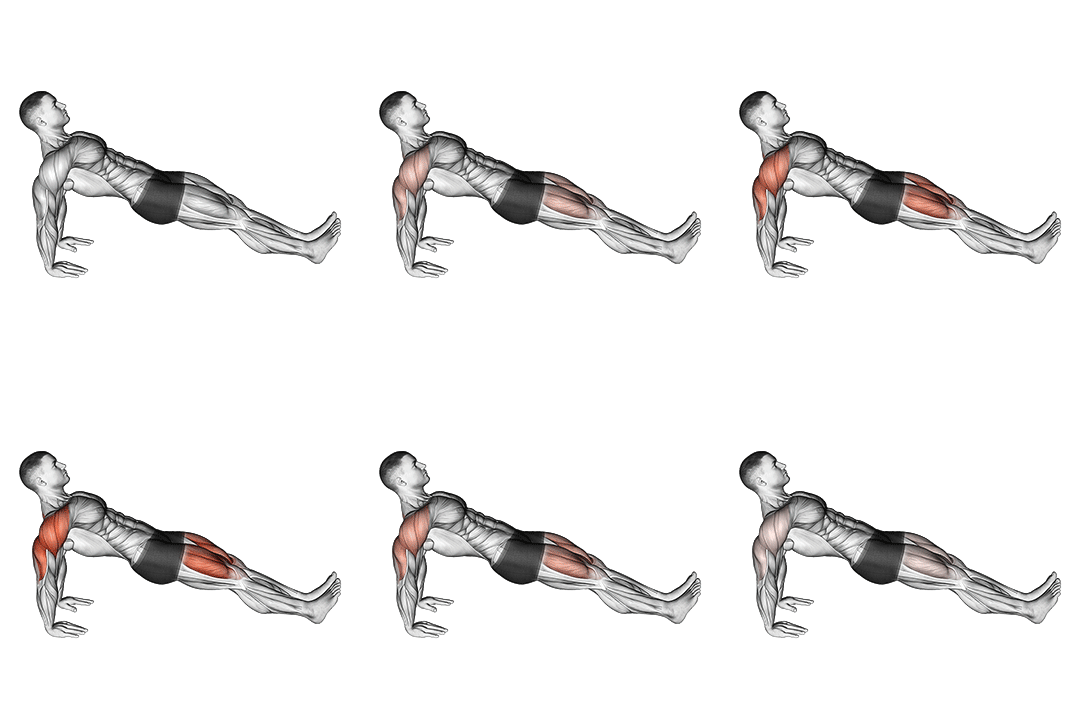
Working out during Ramadan is a big challenge for people who want to keep fit through the holy month. This article shares some expert tips for exercising safely and sustainably during Ramadan.
-
Choosing the right time to work out :-

Exercising in Ramadan isn't easy, especially with other physical activities and the heat. Finding the best time to work out is key to staying safe and keeping up your routine.
- You can find the best times to work out in Ramadan here.
You can exercise before Iftar, or between Iftar and Suhoor. These are all good times. Choose what fits your daily routine.
-
Keep up regular exercise sessions :-

Ramadan isn't the best time to set big fitness goals and try to reach them through exercise. Working out is already a big challenge. Instead, try doing some exercise during Ramadan just to keep your fitness level, using a mild routine instead of pushing harder.
- You can check out suitable exercise types for Ramadan from here.
-
Double your hydration between Iftar and Suhoor :-

You need to watch your body's hydration during Ramadan because being low on fluids makes exercising harder and will cause you to feel very tired and stressed.
- You can learn about the importance of body hydration from here.
You should keep your body hydrated between iftar and suhoor. You can carry a water bottle with you and drink regularly. Also, you can eat fruits and veggies rich in water at iftar. This will help rehydrate your body. Here is a list of fruits and veggies that have high water content:
-
Watermelon.
-
Orange.
-
Apple.
-
Berries.
-
Cucumber.
-
Tomato.
-
Spinach.
-
Watch out for signs of dehydration:-

If you're doing everything to stay hydrated between Iftar and Suhoor but still have symptoms like dizziness, fatigue, nausea, muscle cramps, or a fast heartbeat, you should stop exercising.
There are other serious dehydration signs like confusion, weakness, and loss of consciousness, and in that case you need immediate medical care.
-
Focus on strength training:-

Fitness experts tell us Ramadan is the right time todo strength training compared to cardio, because this helps slow down muscle loss during fasting.
So doing strength training before breakfast is safe, but in the end it's a personal choice depending on your endurance. If you train after breakfast, you should keep up a meal after training.
-
Cut back on cardio exercises :-

While focus should be on strength exercises, it's also better to reduce cardio workoutsBecause fitness experts say cardio burns more than 60% of the effort.
Also, doing cardio during fasting might make you more thirsty and can even lead to dehydration and its various problems.
-
It's okay to increase rest days :-

Fitness experts tell us it's okay to take more rest days during Ramadan. You can exercise one day, then rest the next day rest, and keep that pattern throughout the holy month.
-
Eat foods rich in fiber and protein:-

Nutritionists recommend combining starchy foods rich in fiber, with high-quality protein sources, which are very important during Ramadan. Foods high in fiber digest slowly and release energy slowly too, helping to keep your body fueled for a long time.
and mixing fiber-rich foods with good sources For protein, it will ensure stable blood glucose levels, and thus reduce the chance of feeling hungry the next day.
It's also important to eat the suhoor meal, as it's the meal that gives your body energy for a long day of fasting, so you should include fiber-rich foods in the suhoor meal to release energy slowly.
Article source :- 1.