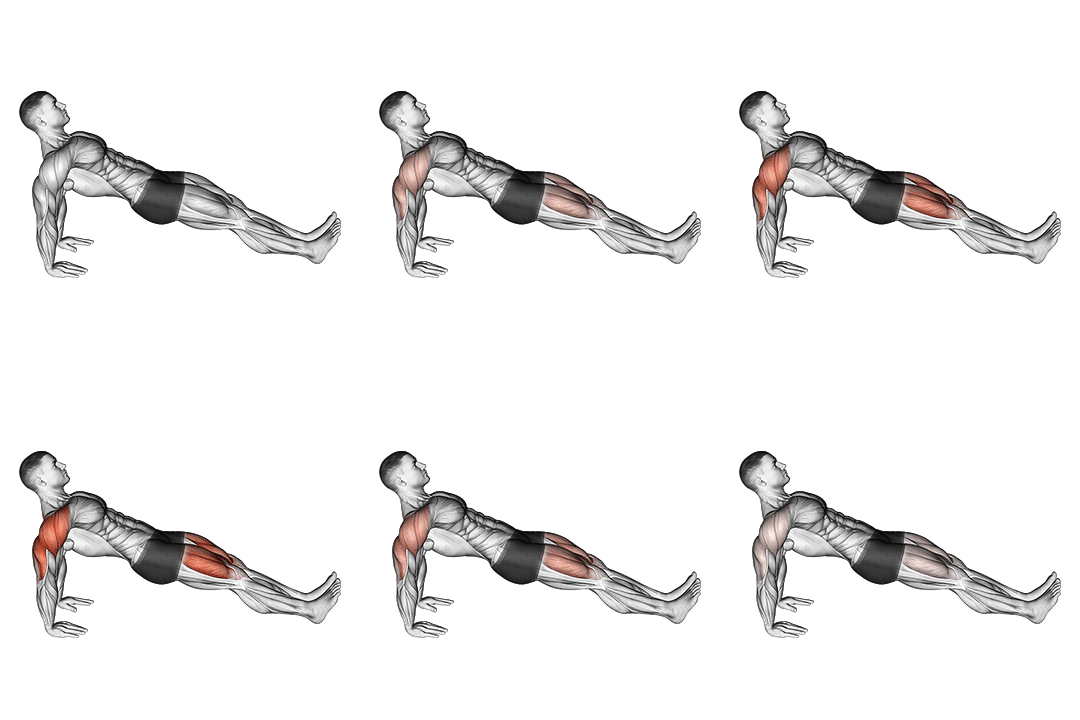
BFR exercises, or Blood Flow Restriction, have recently become very popular among athletes. This exercise limits blood flow, and it has many names like blockage exercises or low oxygen exercises. Its main goal is to reduce oxygen in the body, but it also has many other aims. We'll take a close look at this exercise and its benefits for muscles in this article.
-
What is BFR exercise and how does it work?

This exercise involves wrapping the muscle with a device that reduces the blood flow reaching it, like wrapping the knee in a way that cuts down blood reaching that working muscle. This is one method to help muscle growth. Reducing blood flow leads to build-up of receptors that trigger muscle growth because the muscle stress forces the nervous system to use more muscle fibers to repair and grow.
-
Are warm-up exercises necessary?

Before doing any exercise, many experts recommend a light warm-up for 5 minutes, like biking or walking, and then repeating the first exercise without weights for 15 reps.
-
What do you use for wrapping?

A device called KAATSU is used to reduce blood flow to muscles. This device is special because it can control the pressure. That helps repeat the exercise with different pressure. But sadly, not many can afford this device. So, they use a flexible wrap to restrict blood flow. These wraps go on knees and elbows. They also use soft cotton bandages with the wraps.
Blood should go far enough to cause max swelling in the muscle. But arteries shouldn’t close off. Blocking arteries is a common bad effect of BFR training. So you must watch the wrap pressure exactly.
Some people tried putting more pressure on their legs and it caused more muscle swelling. They used many fibers and ended up with metabolic stress.
-
What is the best place to wrap the muscle?

Research showed narrow wraps (5-9 cm) have less artery blocking risk than wider ones (13 cm). Doctors also advise wrapping upper legs and arms rather than spiraling. The arm size decides how tight the wrap should be. Smaller arms mean higher artery blocking risk.
-
What are the benefits of BFR workouts for muscles?

This workout grows muscles with very low workout intensity. But some studies say some resistance exercises give more benefit than this. Many studies show muscle growth depends a lot on slowly activating fibers. Quickly activating fibers don’t increase muscle size much.
-
Is it better for the wrap to be a bit loose or tight?

A study showed that moderate wrapping is the most efficient, and using ready-made bands lowers the risk of artery blockage. The wrapping should be between 40 to 50%.
-
Are there effects on the unrestricted limbs?

Many think BFR training is just for legs and arms, but you can use it for chest and back muscles too. It helps activate the muscles in the unrestricted limbs because when you wrap your arms or legs, the body feels intense fatigue there and tries to compensate.
Many studies showed that restricting blood flow to the arms strengthens chest muscles by 16%. So these exercises have a lot of positive effects for chest muscles.
-
What’s better: doing a phase with only bromine flame inhibitors for a muscle group, or alternating between muscles and hypertrophy?

Many studies proved that doing BFR exercises for a few weeks, combined with other high-intensity workouts, helps muscle growth. There are plans to help you with BFR training and preparation, like Project Mass.
-
Should we keep going even if we fail with BFR training?

When you feel tired and like you might fail, know your muscles will grow bigger. BFR training works by recruiting fibers to fix what happened in your muscles. Failure tires your muscles but if you feel you can’t continue, that should be your last set and then rest.
-
Do high-intensity workouts give the same results as BFR exercises?

Research shows high-intensity workouts have the same effect as BFR exercises, so join whichever you prefer. Still, some experts recommend using BFR on recovery days or just once a week.
-
Is BFR exercise safe for the heart and blood vessels?

Before starting any workout, check with your doctor first. But all studies on healthy folks without illnesses who combine resistance and high-intensity training found BFR safe for them. It’s shown that long-term blood flow restriction helps widen veins and increase blood flow.
-
What effect does BFR have on blood clots?

Some say BFR causes blood clots. Clotting means a blood clot forms inside a blood vessel and blocks blood flow. But with BFR, we don’t block arteries. we just press on them. Like we said before, the pressure is moderate, around 40 to 50%.
-
Is it safe for the nervous system?

BFR is really tough on the nervous system but you should have a good trainer to set the right intensity, reps, and sets so you don’t overwork yourself. Also, this exercise needs to be done gradually.