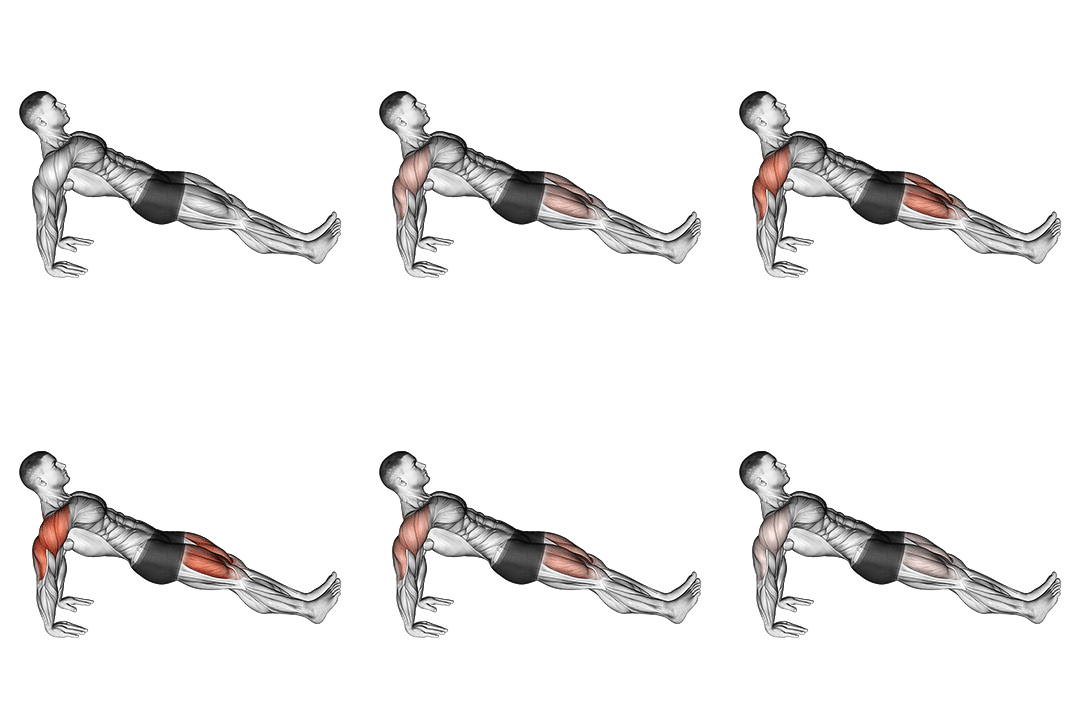
Resistance training is a type of exercise that works to improve muscle strength and the body's endurance, also known as weightlifting exercises. In resistance training, your body tries to move against the weight provided, whether with weights or your own body weight. This article will cover resistance training in detail.
What is resistance training?

Resistance training is any exercise that involves lifting, pulling, or pushing and creates some resistance for your muscles, and usually you feel a kind of challenge in your muscles during the workout., and resistance can be applied by moving your limbs against gravity. You can train and strengthen most muscles in your body through resistance exercises.
You can also add resistance exercises to your daily workout by using weights, dumbbells, resistance bands, kettlebells, or many other resistance machines found in gyms.
Benefits of resistance exercises:

There are many benefits of resistance exercises, like:
- Improved physical performance.
- Better control over body movements.
- Faster walking speed.
- Reduced belly fat.
- Improved brain function.
- Increased self-acceptance and external appearance.
Research shows resistance exercises help increase the body's defense against diseases and injuries. They also help prevent type 2 diabetes, heart diseases, and blood vessel issues, plus reduce lower back pain caused by arthritis.
Some common questions about resistance training?

There are some myths about resistance training, so we'll answer most common questions people ask, which are:
First question: Will lifting weights make you bulkier?
Resistance training helps shape the body by improving muscle look and lowering fat around them. Also, heavy lifting won't make you look like bodybuilders. They follow special diets, workouts, and regularly take supplements, which you won't be doing at all.
Second question: How does resistance training affect your weight?
Muscles are less dense than fat, and take up less space, so your body looks smaller. Also, muscles burn a lot of calories, which boosts metabolism.
Question three: Can you do resistance exercises every day?
You can do resistance exercises every day, but don't work the same muscle daily. Each muscle needs rest and time to repair. So, make a schedule to rotate your muscle workouts. You can get help from Fitness Garage trainers to set this up for best results in less time.
Question four: Do you need protein supplements if you keep doing resistance exercises?
Most people training don't need protein supplements to get the most from resistance workouts. They get enough protein from a balanced diet. So just increase protein sources in meals and snacks if you want. If you follow a plant-based diet, you should eat more plant protein and depend on it.
Question five: What's the best type of resistance exercise?
No single type is best. You should mix different types for the most benefit, both for fitness and body shape.
How do you keep up resistance training regularly?
Start slow and steady to avoid injury and tiredness. Use light weights at first like one or two kilos, or just your body weight. Here's a simple beginner plan from a trainer at Fitness Garage:
- Day one: Upper body (chest, shoulders, upper back, arms) do 1 to 2 sets, each exercise 8 to 10 reps.
- Day two: Rest.
- Day three: Lower body (legs, hips, glutes) do 1 to 2 sets, each exercise 8 to 10 reps.
- Day four: Rest.
- Day five: Repeat upper body workout.
- Day six: Rest.
- Day seven: Repeat lower body workout.