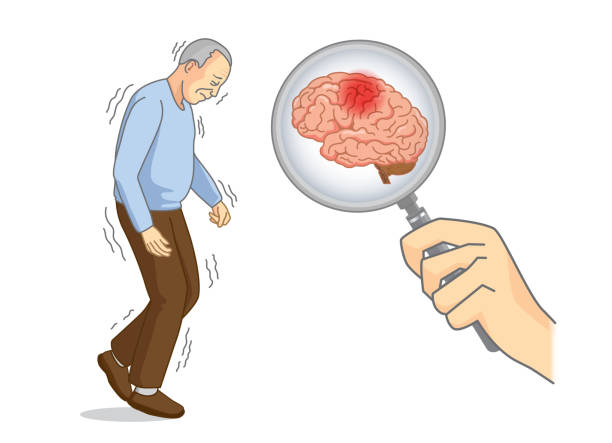
Alzheimer's disease is a progressive brain condition with no cure. The most common symptoms are confusion, memory loss, and thinking decline, eventually making it hard for the person to do simple tasks.
In the end, Alzheimer's can make someone unable to respond to their surroundings or hold a conversation. It's the top cause of dementia among older adults. The Alzheimer's Association says about 60% to 80% of dementia cases come from Alzheimer's.
Also, according to the CDC, Alzheimer's is the fifth leading cause of death in people over 65. There’s no cure, but some treatments can slow down how fast symptoms get worse.
Symptoms of Alzheimer's disease

The most common early symptom is trouble remembering new information. This can be subtle at first, and some may ignore it as normal forgetfulness or aging-related memory decline.
As Alzheimer's progresses, memory loss becomes more obvious, and more serious memory problems may start along with other symptoms, which include:-
-
Behavioral and personality changes.
-
Confusion.
-
Trouble speaking.
-
Difficulty doing tasks with multiple steps.
-
Mood changes.
-
Sleep problems.
-
Problems remembering people, times, and places.
-
Repeating questions.
-
Trouble recognizing family and friends.
-
Problems swallowing.
-
Problems walking.
-
Confusion and getting lost.
Causes of Alzheimer's disease

The human brain has billions of nerve cells that communicate with each other to perform tasks like thinking and remembering.
Alzheimer's happens because of certain changes in the brain, where some proteins build up abnormally. This build-up causes tau tangles and amyloid plaques that stop healthy nerve cells from working, making them lose connection and eventually die. As more nerve cells die, symptoms get worse for people with Alzheimer's.
Many of these brain changes start happening at least ten years before the first Alzheimer's symptoms show up.
The exact reasons behind Alzheimer's disease are not fully known, but experts think that a mix of age, lifestyle, environmental factors, and genetics may play a role in causing it.
Factors behind Alzheimer's disease

There are several factors that cause Alzheimer's disease to appear, including:-
-
Age:- Getting older is the biggest risk factor for Alzheimer's. According to the US National Institute on Aging, about ⅓ of people over 85 have Alzheimer's.
-
Being overweight:- Being significantly overweight can increase the chances of getting Alzheimer's.
-
Brain abnormalities:- People with certain brain abnormalities are more likely to get Alzheimer's as they age.
-
Family history:- Having a family history of Alzheimer's can increase the risk of getting it.
-
Health conditions:- High blood pressure, high cholesterol, high blood sugar, plus habits like smoking, raise the risk of Alzheimer's.
-
Lifestyle factors:- Lifestyle factors like low physical activity, less social interaction, poor sleep, and bad eating habits are linked to higher Alzheimer's risk.
-
Mental engagementMental activity can also play a role in Alzheimer's. People who don't do challenging mental activities might be more likely to get Alzheimer's.
-
Type:Alzheimer's rates show women are more likely to get it than men.
Stages of Alzheimer's

Alzheimer's symptoms vary by person. But the disease usually progresses in three main stages.
1. Early stage of Alzheimer's
In early Alzheimer's, symptoms are mild. People can usually still do daily tasks and live independently. They can work, be social, but might have memory slips making it hard to remember words, names, or where things are.
People in the early stage of Alzheimer's may have some symptoms, which include:-
-
Trouble with organizing and planning.
-
Difficulty remembering appointments.
-
Losing things or moving them to the wrong place.
-
Trouble choosing the right words to describe things.
-
Forgetting steps in tasks that have multiple steps.
-
Forgetting conversations and new information.
-
Trouble guessing how long it takes to finish tasks.
2. Moderate Stage of Alzheimer's Disease
The moderate stage of Alzheimer's usually lasts the longest. Symptoms slowly get worse. Memories, even long-term ones, start fading. There are many changes in behavior and emotions, like feeling anxious, frustrated, and agitated.
At this stage, people with Alzheimer's can't do their daily tasks and need help from others.
People in the moderate stage might also have other symptoms like:
-
Trouble doing some daily activities, including taking care of themselves.
-
More confusion.
-
More memory loss.
-
Developing doubts and suspicions about friends and family.
-
Weak judgments about things.
3. Late stage of Alzheimer's disease
In the late stage of Alzheimer's, mental functions decline to the point they seriously affect people's physical abilities. At this stage, they lose the ability to speak and do normal movements. So, they need care and help all the time.
People in the late stage of Alzheimer's may show some symptoms, which include:-
-
Difficulty or inability to walk without help.
-
Difficulty or inability to swallow.
-
Loss of awareness of their surroundings.
-
They may be unable to lift their head or sit without help.
-
Not being able to control bladder and bowel functions.
diagnosing Alzheimer's disease

There are no simple tests that can definitively show if someone has Alzheimer's. Doctors use several tests to help diagnose it, like neurological exams and brain scans.
It's also important to rule out other conditions that might cause similar symptoms. Physical tests start with checking blood pressure and a mental test to check short and long-term memory, like knowing the date and recalling words.
Neurological tests can check things to exclude issues like stroke or infection, including speech, muscle coordination, and reflexes.
Other tests that can be used to diagnose Alzheimer's include:
-
Brain imagingBrain imaging looks for physical changes and brain activity changes, including CT scans, MRI scans, and PET scans.
-
Lumbar puncture, to check for protein buildup in the brain.
-
Mental state tests, to look at things like language ability, memory, and problem solving.
-
Psychological and neurological tests, to assess skills like memory, thinking, attention, and emotional stability.
Alzheimer's treatment

There is no cure for Alzheimer's, but some treatments might help slow the disease and make living with it easier. The doctor’s treatment advice depends on how the condition develops.
Right now, some drugs slow down clinical decline and treat cognitive and behavioral symptoms in Alzheimer's patients, like Aduhelm. The FDA approved Aduhelm, which targets removing amyloid plaques in the brain, possibly slowing cognitive decline.
In the end, an Alzheimer's diagnosis can be tough for both the patient and those around them. So don't get frustrated if they forget something you like or misunderstand. Just try to be clear and patient as much as you can.
Also, focus on keeping the patient's environment safe based on how they function. Sometimes, the patient might get upset or anxious if a need isn't met or they can't express it. So stay calm, be understanding, and try to figure out why.
Article source:- 1.