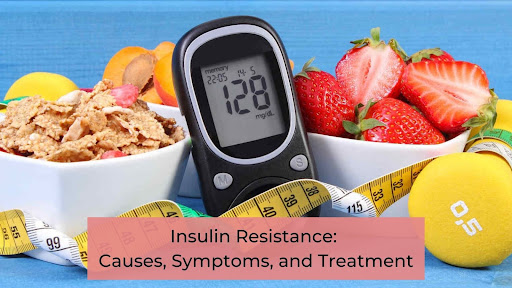

Diabetes is Type 2 Diabetes a chronic progressive condition that stops the body from using blood sugar (glucose) properly. Usually, people with type 2 diabetes suffer from insulin resistance andMetabolic Syndrome.
In type 2 diabetes, cells become resistant to insulin, the hormone made by the pancreas to control blood sugar levels. Because of this, the pancreas makes more insulin, but over time it can't make enough to keep blood sugar in a healthy range.
In this article, we'll learn the difference between diabetes types, symptoms of type 2 diabetes, causes, diagnosis, and treatment options.
Difference Between Type 1 and Type 2 Diabetes

Type 1 and type 2 diabetes are both glucose metabolism disorders. But they show up and progress differently. It's important to tell them apart because their treatments and plans are different.
Type 1 Diabetes It's an autoimmune disease. It happens when the body mistakenly attacks the pancreas cells that make insulin, called beta cells.
People with type 1 diabetes make very little or no insulin. So, they need to take insulin by injection or pump to stay alive.
Type 1 diabetes used to be called 'childhood diabetes' because it was mostly diagnosed in kids, but it can also develop later in life.
Type 2 Diabetes It makes up about 90%-95% of all diabetes cases. It's often called a 'lifestyle' disease because things like age, weight, smoking, diet, and lack of exercise can raise the risk.
People with type 2 diabetes often have a group of risk factors, including High cholesterol, High blood pressure, high triglycerides, increase fat in the belly area.
Type 2 diabetes symptoms

develops Type 2 diabetes gradually. Often, people don’t notice symptoms, especially in early stages called "pre-diabetes", As the disease advances, these symptoms appear:-
-
excessive hunger despite eating normally
-
Abnormal frequent urination
-
Extreme thirst
-
Skin rash
-
Frequent infections
-
Slow-healing wounds
-
Neuropathy "numbness, tingling in limbs"
-
Blurred vision
Causes of type 2 diabetes

Type 2 diabetes happens when glucose "sugar" can't enter the cells and stays in the bloodstream at higher than normal levels. This causes a problem in insulin secretion, insulin resistance, or both together.
Factors that contribute to getting diabetes include:-
-
Age 45 and above
-
Obesity, Body Mass Index 25 or higher
-
Lack of Physical activity
-
Prediabetes
-
Coronary artery disease
-
Fatty liver disease Related to digestive disorders
-
Family history of diabetes
-
Some medications, like antipsychotics and corticosteroids
Type 2 diabetes is a genetic disease

There is a genetic factor that plays a role in getting type 2 diabetes. But genetics is complicated and there's still a lot to study.
Some diabetes genes relate to insulin resistance, others to pancreatic beta cell function. Research shows genetics accounts for 20%-80% of type 2 diabetes.
Diagnosing type 2 diabetes

There are many ways to diagnose type 2 diabetes, including blood tests and a blood draw during the oral glucose tolerance test. This test uses a sugary drink to check how your body reacts to sugar.
A healthcare provider might do a random blood sugar test. If the random blood sugar is 200 mg/dL or more, that counts as a diabetes diagnosis.
If common diabetes symptoms are not present, diagnosis needs two abnormal results from the same sample or different samples. Andthese tests include:-
-
Fasting plasma glucose test FPG
-
Plasma glucose value two hours after oral glucose tolerance test
-
Glycated hemoglobin A1C test
Type 2 diabetes treatment

Type 2 diabetes treatment includes lifestyle changes, These changes include the following:-
-
Eating Diet Nutritious and balanced
-
Regular physical activity
-
Getting enough sleep
-
Reducing stress and pressure
-
Achieving a healthy weight If necessary
Oral meds, insulin, or non-insulin injections may be prescribed to control blood sugar. Meds should always be taken alongside lifestyle changes like better diet and more exercise.
Can type 2 diabetes be reversed?

Research shows intense lifestyle changes including diet, exercise, and weight loss can greatly improve type 2 diabetes.
The chance of improvement is higher in people diagnosed for a short time and those still making enough insulin.
Complications of type 2 diabetes

High blood sugar over time can cause complications in small blood vessels like in the eyes, and big ones like in the heart. Diabetes complications can affect all body organs and systems.
Long-term diabetes complications include:-
-
Retinopathy:- Causes changes in vision and can lead to blindness if blood sugar levels are not controlled.
-
Kidney disease:- Affects the kidneys and can lead to kidney failure if left untreated.
-
Neuropathy:- Affects the nerves, causing numbness and pain, especially in the limbs.
-
Cardiovascular diseases:- Diabetes increases the risk of heart diseases like heart attacks and coronary artery disease.
-
Peripheral vascular disease affects the blood vessels in the limbs, increasing risks of infection and slow-healing wounds.
-
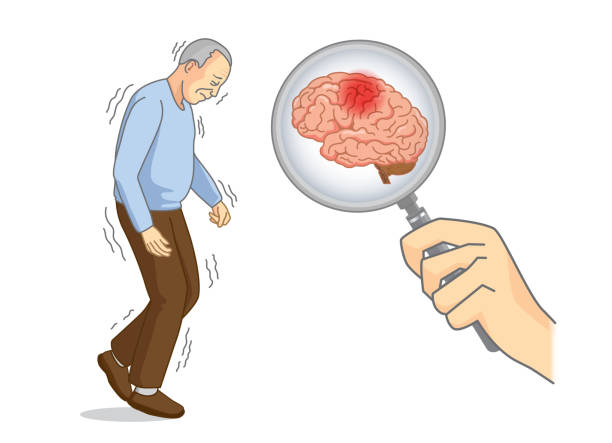
Stroke: Diabetes raises stroke risk because it affects brain blood vessels.
How to prevent type 2 diabetes

Some risk factors for type 2 diabetes, like genetics, are out of your control, but you can take steps to delay or prevent it.
You can make changes to things you can control like diet and physical activity. Small, lasting changes have the biggest impact. These changes include:
-
Maintaining a healthy weight: By eating a balanced diet anddoing exercise.
-
Doing physical activity regularly:- Like walking or swimming or any other sport.
-
Following a healthy diet:- Rich in vegetables, andfruits, andwhole grains, andHealthy proteins.
-
Avoid processed foods and drinks with sugar.
-
Stress management:- through relaxation techniques, like meditation andyoga.
-
Getting enough good sleep.
-
Regularly checking blood sugar levels:- especially if the person is in the prediabetes stage.