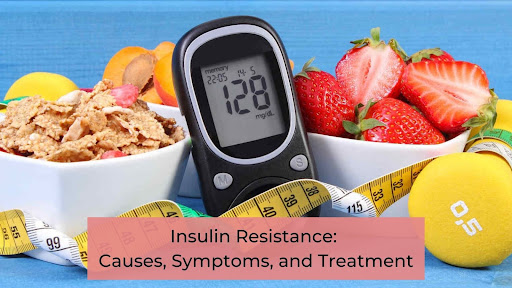

It happens Insulin Resistance It’s when the body stops responding well to insulin, a hormone that helps sugar (glucose) get from the blood into the cells to give energy for vital functions.
The exact reason why insulin resistance happens is not known, but it’s closely linked to weight gain (obesity) and a sedentary lifestyle. Over time, insulin resistance can lead to prediabetes, which is the early stage oftype 2 diabetes.
In this article, we will learn what insulin resistance is, its symptoms, how to diagnose it, and treatment options.
What is insulin resistance?

Normallyduring meals, the digestive system breaks down food into glucose (sugar), then the following steps happen:
-
Glucose enters the bloodstream, which prompts the pancreas (the organ behind the stomach) to produce insulin.
-
Insulin directs glucose into the cells to be used for energy or stored for later.
-
When glucose enters the cells, its blood levels drop, signaling the pancreas to stop producing insulin.
For people with insulin resistance, the cells aren't effective enough at responding to insulin. To overcome this weak response, the pancreas produces more and more insulin, called hyperinsulinemia.
Over time, the pancreas can't keep up with insulin production needs, causing blood glucose levels to rise, a condition called hyperglycemia.
Chronically high blood glucose is the starting point for developing diabetes, and eventually type 2 diabetes.
Symptoms of insulin resistance

Usually, people don't have any symptoms in the early stages of insulin resistance, but over time, with ongoing insulin resistance and chronic high blood sugar, Symptoms may show up like:-
-
Feeling very thirsty
-
Blurry vision
-
Frequent peeing
-
Unusual tiredness
Also, there are some possible warning signs of insulin resistance that show up during a physical exam, They include:-
-
Skin tags:- Small, harmless skin growths usually found in skin folds, like the neck, thighs, and underarms.
-
Black acanthosis: These are thick, dark patches of skin usually found in skin folds.
-
Excess hair growth in females.
-
Hair loss (alopecia) in males and females.
-
Weight gain, especially around the belly.
Causes of insulin resistance

The exact cause of insulin resistance isn't clear, but research shows most cases are closely linked to inactivity and obesity.
Specifically, inactivity leads to fat buildup in the belly, muscles, and liver through complex ways. Too much fat weakens insulin signals (the signals that control glucose, fat, and steady energy) and reduces insulin's ability to help cells absorb glucose.
Besides that, having Metabolic Syndromewhich is a group of symptoms that increase the risk of type 2 diabetes and heart disease, and is also a risk factor for insulin resistance.
Besides obesity, Symptoms of metabolic syndrome include:-
-
High blood pressure
-
High levels of triglycerides
-
Decrease Cholesterol levels Good HDL
-
Increase Glucose levels In the blood
Other risk factors for insulin resistance include:-
-
Older age, 45 or above
-
Having a family history of diabetes
-
Smoking
-
Having a history of certain health conditions, like Polycystic ovary syndrome Or Cushing's syndrome
Besides chronic factors like being overweight and lack of exercise, sudden body stress, like bad burns or sepsis, can lower how well insulin works.
How insulin resistance is diagnosed

High insulin levels often show early signs of diabetes, but people usually only get tested if they join a clinical research trial.
Still, healthcare providers can test for diabetes if someone has risk factors or signs of high blood sugar, These blood tests include:-
-
Hemoglobin A1c test
-
Fasting plasma glucose (FPG) test
-
Oral glucose tolerance test
The role of diet in managing insulin resistance

The Western diet is linked to insulin resistance. This eating pattern usually involves eating a lot of red and processed meats, refined grains, high-fat dairy, fast and canned foods, sweets, and sugary drinks.
While diets high in cholesterol andSaturated fats andsalt andcarbohydrates are linked to insulin resistance. No single diet has been shown to be best at reversing insulin resistance.
Instead, professional groups like the American Diabetes Association recommend eating styles based on personal goals and food preferences. They suggest nutrient-rich foods like fruits and vegetables, andwhole grains, anddairy products, andlegumes, andnuts and seeds.
Also, you should eat sources of lean protein, including plant sources andlean meats andfish andchicken, with minimal processed foods andadded sugars.
is considered The Mediterranean diet a prime example of an eating pattern that meets the above nutritional recommendations. This flexible diet encourages eating lots of fresh fruits and veggies, whole grains, olive oil, legumes, nuts, and seeds, along with moderate amounts of fish, skinless chicken, eggs, cheese, and yogurt.
Besides the Mediterranean diet, plant-based diets areLow-carb diets Also good choices to manage insulin resistance.
Insulin resistance treatment

Reversing insulin resistance focuses mainly on a healthy lifestyle, including more physical activity, reaching a healthy weight, and following a balanced healthy diet.
But in some cases, a medicine called metformin can be prescribed. This drug lowers blood sugar by reducing glucose absorption in the intestines and the amount the liver produces.
Complications of insulin resistance

If insulin resistance symptoms are not reversed, it can progress to prediabetes and eventually type 2 diabetes. Then, various health complications can develop due to long-lasting untreated high blood sugar.
These complications include the following:-
-
Kidney damage
-
Eye problems (retinopathy)
-
Cardiovascular diseases
-
Foot problems, like ulcers