Constipation is one of the most common digestive issues. It means having hard, dry stools or pooping less than three times a week. It can happen due to simple things like diet, medications, or pregnancyor even just a change in daily routine.
In this article, we'll look at the symptoms of constipation, its causes, and how to treat it.
Symptoms of constipation

Bowel habits can vary from person to person. Some people poop three times a day, while others go three times a week.
Some people may get constipated if they have any of these symptoms:-
-
Passing hard, lumpy, or dry stool.
-
Pooping less than three times a week.
-
Straining or pain while having a bowel movement.
-
Feeling full even after pooping.
Also, the US National Institute of Diabetes and Digestive and Kidney Diseases (NIDDK) may suggest seeing a doctor if symptoms don't go away, or if you notice more symptoms like:
-
Rectal bleeding.
-
Blood in the stool.
-
Ongoing belly pain.
-
Pain in the lower back.
-
Feeling gassy and bloated.
-
Vomiting.
-
Fever.
-
Unexplained weight loss.
-
Sudden change in bathroom habits.
In these cases, the healthcare provider might do some tests to rule out more serious issues like rectal or colon cancer or Irritable Bowel Syndrome IBS.
Causes of Constipation

The main role of the colon is to absorb water from leftover food while it moves through the digestive system, then produce waste or stool. Finally, the colon muscles push the waste out through the rectum to be expelled. If stool stays too long in the colon, it gets dry and hard, making it hard to pass.
Usually, it can cause Poor nutrition constipation. Eating enough fiber and drinking plenty of water are key to keeping stool soft and easy to pass.
Fiber comes in two types, fiber There are soluble and insoluble fibers. Soluble fibers can dissolve in water and form a gel-like soft substance, while insoluble fibers keep their shape and structure.
As both types of fiber pass through the digestive system, they bind with stool. This increases the stool's size and weight and softens it, helping it pass easily through the rectum.
Stress, changes in routine, and conditions can slow colon muscle contractions or delay the urge to have a bowel movement, causing constipation.
Common causes of constipation can include:
-
Eating a low-fiber diet, especially meals high in meat, milk, or cheese.
-
Happen Driiiiiiiiiiitness.
-
Lack of exercise or physical activity.
-
Delaying the urge to poop due to travel or other routine changes.
-
Some medicines, like certain antacids, painkillers, and diuretics.
-
Getting older, constipation affects about ⅓ of people aged 60 and above.
Also, some health conditions can cause constipation, including:
-
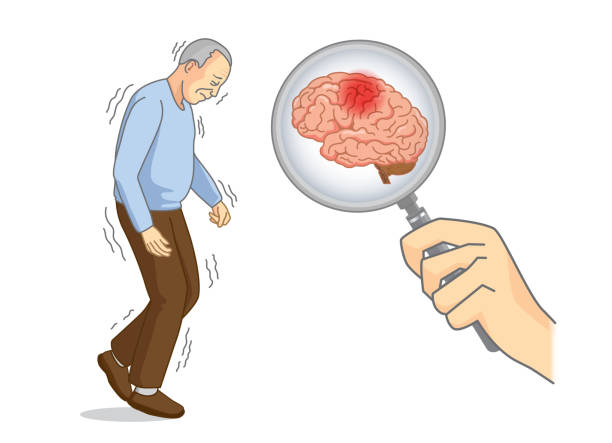
Specific conditions like stroke, Parkinson’s disease, and diabetes.
-
Colon or rectum problems, including bowel blockage, irritable bowel syndrome, or diverticulitis.
-
Overuse or misuse of laxatives.
-
Hormonal problems, including Hypothyroidism.
Treating and easing constipation

Diet changes and more physical activity are some of the easiest and fastest ways to ease, treat, and prevent constipation. Also, there are some steps that can help. These include:
-
Drinking about 1.5 - 2 liters of unsweetened fluids daily, like water, tokeep the body hydrated.
-
Limit alcohol and caffeine drinks because they cause dehydration.
-
Add fiber-rich foods to your diet, like fruits and veggies. Aim for about 20 - 35 grams of fiber a day.
-
Cut down on low-fiber foods like meat, cheese, and processed stuff.
-
Do about 150 minutes of moderate exercise a week, like 30 minutes a day, 5 days a week, such as walking, swimming, or biking.
-
Don't delay going to the bathroom when you feel the need. Waiting makes stool drier and harder to pass.
-
Ask your doctor about training your bowels to get used to passing stool 15 - 45 minutes after breakfast each day.
-
Raise your knees by placing your feet on a stool when using the bathroom.
-
When going, give yourself enough time and relax your muscles.
-
Use laxatives in moderation.
-
Ask your doctor if any drugs you are taking might cause constipation.
How to prevent constipation

Here are some tips to prevent and avoid constipation, including:
-
Eat plenty of fruits, vegetables, and whole grains.
-
Eat foods high in fiber and ask your doctor about fiber supplements.
-
Drink enough water daily.
-
Avoid alcohol and caffeine.
-
Exercise regularly.
-
Add probiotics to your diet, like yogurt and kefir.
-
Train your muscles to poop at the same time every day.
Some studies say adding probiotics to your diet might help if you have chronic constipation. If you're taking fiber supplements, drink plenty of fluids because fluids help fiber work better.
How to diagnose constipation

If constipation sticks around after trying many things, or if you have worries about your symptoms, it might be time to see a doctor and talk about it.
The doctor will ask about your symptoms, medical history, medications, and conditions. They might order blood tests to check blood counts andelectrolytes and thyroid functionThey might also suggest some other tests.
In the end, constipation is a common problem. It can affect people as they get older, when taking some meds, or if they don’t get enough fiber. Most constipation cases are mild and can be treated easily by changing your diet or exercising.
Source of the article:- 1.