Gestational diabetes is a common condition during pregnancy where blood sugar levels (glucose)rise. Although many risk factors increase the chance of getting gestational diabetes, it can also happen to women without any risk factors.
Estimates say that 1 in 25 pregnant women develop gestational diabetes. If detected early and treated, women with this type of diabetes can have a healthy pregnancy and healthy babies.
This article will cover the symptoms of gestational diabetes, its causes, how it's diagnosed, and available treatment options.
Symptoms of gestational diabetes

Generally, gestational diabetes has no symptoms. Usually, symptoms are mild or similar to those of other types of diabetes.
Gestational diabetes symptoms can include:-
-
Feeling hungrier or thirstier than usual.
-
Needing to pee more often.
-
Feeling nausea and vomiting.
-
Blurred vision.
-
Losing weight even without changes in eating habits.
Some gestational diabetes symptoms are like normal pregnancy signs, like needing to pee a lot and feeling nauseous, so it’s important to talk well with your healthcare provider about your symptoms.
Causes of gestational diabetes

Gestational diabetes happens when blood sugar (glucose) levels rise above normal in a pregnant woman. Many factors help cause it, like hormones, genetics, and changes during pregnancy.
Causes of gestational diabetes can include:-
1. Hormones
During pregnancy, the placenta provides nutrients the baby needs to grow. It also makes hormones, some of which can cause insulin resistance.
Insulin resistance means insulin can't move glucose from the blood into the body's cells to be used for energy. It usually starts around 20-24 weeks of pregnancy, which is why doctors test for gestational diabetes then.
When this happens, the pancreas makes more insulin to try to overcome the hormonal insulin resistance. But some pregnant women's bodies can't keep up, so blood sugar goes up, causing gestational diabetes.
2. Genetics
Experts also think gestational diabetes can come from a mix of genetic risk factors. This condition tends to run in families due to inherited traits.
Many women diagnosed with gestational diabetes had close family members, like their mother or sisters, who also had it or another type of diabetes, like type 2 diabetes.
Also, having a family history doesn’t guarantee a woman will get gestational diabetes. Other things can increase the risk like age, weight, activity level, and previous pregnancies.
3. Weight
Gaining more weight than recommended during pregnancy has been linked to gestational diabetes, especially if the woman was already overweight. So, it’s important for healthcare providers to talk with her about healthy weight goals during pregnancy.
It’s normal and necessary to gain weight while pregnant, but the weight goals might be different for a woman with gestational diabetes.
Besides that, there are other risk factors that raise a woman’s chance of gestational diabetes including:
-
A sedentary or inactive lifestyle.
-
Giving birth to a baby over 4 kilograms in a previous pregnancy.
-
Woman's age over 25 years.
-
Woman has a history of high blood pressure.
-
Woman has a history of heart disease.
-
Having polycystic ovary syndrome.

Gestational diabetes diagnosis
Gestational diabetes tests are usually done between 24-28 weeks of pregnancy. If a woman is at higher risk, the doctor may order tests earlier.
Gestational diabetes tests include the following:-
1. Glucose challenge test
The main test for gestational diabetes is the glucose challenge test. This test is the first step in a two-part approach to diagnose gestational diabetes. It includes the following:-
-
50 gram test 50g test.
-
100 gram test 100g test.
2. 75 gram Oral Glucose Tolerance Test 75g Glucose Tolerance Test
The doctor may also use the 75 gram oral glucose tolerance test. The woman needs to fast for 8 hours before the test. At the test, she drinks a 75 gram glucose drink. Then her blood sugar is checked every 60 minutes for 2 hours.
A fasting blood sugar level of 92 mg/dL or higher, or 180 mg/dL or higher after one hour, or 153 mg/dL or higher after two hours indicates gestational diabetes.
Gestational Diabetes Treatment

Managing blood sugar levels should be a top priority if a woman has gestational diabetes. The main goal is to keep her blood sugar at levels similar to pregnant women without gestational diabetes.
There are many ways to control blood sugar during pregnancy. A healthcare provider will help create a treatment plan that fits her. These methods include:
1. Monitoring and managing blood sugar
If a woman has gestational diabetes, she'll need to monitor and control her blood sugar levels. Keeping sugar in the healthy range requires regular blood sugar tests.
Also, it helps for the pregnant woman to work with a registered dietitian or a certified diabetes educator to better manage her condition.
2. Blood sugar testing
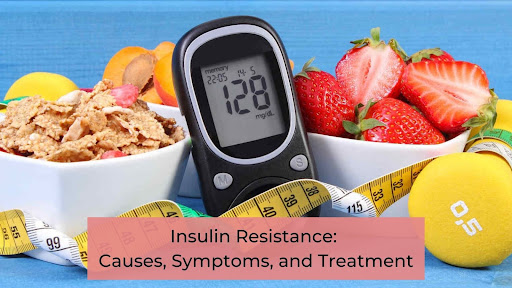
The first step to keep blood glucose in a healthy range is knowing its level. Sugar levels can be tracked by regular testing with a glucose meter.
The American Diabetes Association ADA suggests blood glucose levels be within certain ranges based on test times, andThese healthy ranges include:-
-
Before meals:- 95 mg/dL or less.
-
One hour after eating:- 140 mg/dL or less.
-
Two hours after eating:- 120 mg/dL or less.
Still, the healthcare provider will give more precise ranges based on the pregnant woman's condition.
3. Insulin
Some women with gestational diabetes need to take a medicine called insulin to keep their blood sugar in a healthy range. There are several types of insulin, most come with a needle the woman uses at times set by the healthcare provider.
4. Nutrition
When a woman is diagnosed with gestational diabetes, the healthcare provider will probably want to make some changes to her diet to help control blood sugar levels effectively. One of the first steps is to learn about the effect of carbohydrates on blood sugar levels.
Foods with a lot of Carbohydrates Carbs affect blood sugar more than any other food. They can be found in bread, pasta, biscuits, potato chips, whole grains, andstarchy vegetables, including corn andpeas, dairy products, and fruit,Legumes, and sugary foods.
Every body reacts to carbs differently. Pregnant women need to understand how carbs can affect their bodies to know how it impacts their sugar levels.
5. Meal Plan
A meal plan for managing gestational diabetes helps a woman enjoy eating and nourish both herself and the baby while keeping blood sugar in healthy ranges. Each plan is personal, but some basic ideas apply to all.
Diet management for gestational diabetes includes:
-
Calculating ratios carbohydrates Good.
-
Combining carbs andprotein andhealthy fats.
-
Increasing intake of dietary fiber.
-
Reducing or limiting intake Carbohydrates Refined.
-
Limit foods with saturated or trans fats.
6. Exercise
Regular exercise and physical activity during pregnancy can help pregnant women, especially if diagnosed with gestational diabetes. It helps fight insulin resistance by using more glucose and improves insulin sensitivity.
In the end, if a pregnant woman is diagnosed with gestational diabetes, it's important to make these changes to ensure both mother and baby stay healthy, that labor and delivery go normally, and to reduce the higher risk of type 2 diabetes later on. Lifestyle changes during pregnancy can lower these risks.