Polycystic Ovary Syndrome is defined as Polycystic Ovary Syndrome (PCOS) a female disorder where women have higher than normal levels of androgens (male hormones), which causes body imbalance since these hormones are normally in females at low levels. Anything beyond that is PCOS.
And the reason for this name specifically - Polycystic Ovary Syndrome (PCOS) - This is often because the condition usually comes with some fluid-filled cysts that form inside the ovaries. but in other cases of the syndrome, these cysts might not form, and they can even appear in cases that don’t have ovarian cysts at all!
What is Polycystic Ovary Syndrome (PCOS)?

To get into the details of PCOS, let's start by explaining how ovulation works. Basically, as adult females know, the ovary releases one of its eggs and sends it through the fallopian tube to the uterus. If it’s fertilized by a male sperm, the embryo forms inside the uterus. If not fertilized, the egg leaves the uterus during the menstrual cycle.
In some cases, the female body can’t produce the female hormones normally, which messes up ovulation. This causes the menstrual period to stop for a while. At the same time, the ovaries react by creating some cysts inside them, which later cause an increase in androgen levels. The process might seem a bit complicated but it’s just a series of steps that follow one after another. This causes problems for women related to their monthly cycle, plus some symptoms we’ll go over next.
For treatment, even though there’s no permanent cure for PCOS, there are medicines and health advice that can prevent or reduce the problems and symptoms it causes.
What causes Polycystic Ovary Syndrome (PCOS)?

The main cause of polycystic ovary syndrome is still unknown, but there are some triggers or common factors among women with this syndrome.
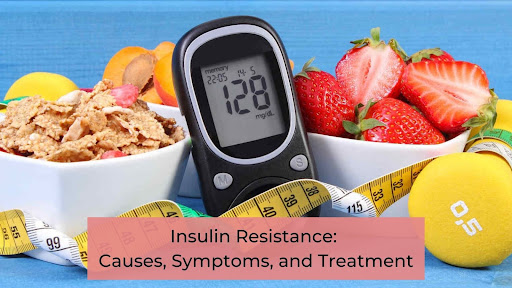
For example Insulin resistance plays a role in this where the body loses its ability to control insulin well, causing its levels to rise, which then increases male hormone levels (androgen) Ovarian cysts form, and Obesity also plays a role because it raises insulin levels in the blood, making the syndrome worse.
Doctors also link polycystic ovary syndrome to genetic factors It runs a lot between mothers, daughters, and sisters. We can list the main risks causing PCOS to help you avoid it and protect yourself. They are:
- genetics
- obesity
- insulin resistance
- living an unhealthy lifestyle
- Eating fast food and hydrogenated fats
- Not exercising
What are the symptoms of Polycystic Ovary Syndrome (PCOS)?

There are many symptoms you can notice that might show you have the syndrome, doctors also look for these during checkups, such as:
- Missed periods, irregular cycles, or very light bleeding.
- Enlarged ovaries, or having many cysts in them.
- Excessive body hair growth, especially on the chest, belly, back, and face.
- Gaining extra weight, especially around the belly.
- Skin pimples show up, and oily secretion increases a lot.
- Hair loss and male-pattern baldness.
- Delayed pregnancy and infertility.
- Skin tags appear on the neck and armpits.
- Dark spots on the neck, back, armpits, and under the breasts.
How is Polycystic Ovary Syndrome (PCOS) diagnosed?

PCOS diagnosis is based on your medical history and symptoms, plus a physical exam, especially the pelvic area and reproductive organs, both outside and inside, often checked by ultrasound.
Since PCOS symptoms can look like other health problems, some tests are done to be sure, and they are:
- Ultrasound waves. To image blood vessels, internal reproductive organs, check ovary size, and see if it has cysts or not, and test the thickness of the uterine wall, among other things.
- Blood test. To check female hormone levels, androgen hormones in the blood, plus inspect glucose, cholesterol, and triglyceride levels too.
What is the right treatment for Polycystic Ovary Syndrome (PCOS)?

PCOS treatment depends on several factors, mainly: Your age, severity of symptoms, and overall health status, and it also depends on whether you You want to get pregnant In the future because if you are planning for this, your treatment plan might depend on:
- Adjusting your diet and your exercise level: You will then need to follow a healthy diet suited to your condition and increase your physical activity by regularly exercising to lose excess weight and get rid of belly fat, which also helps use up high insulin levels, control blood sugar, and stimulate ovulation.
- Ovulation stimulating medications: These drugs have some risks since they might trigger ovulation and cause releasing more than one egg for fertilization, increasing the chance of twins, triplets, or more. They can also cause stomach swelling and uterine pain.
And if you are not planning to get pregnant, besides adjusting your diet and exercise, your treatment plan might include:
- Birth control pills: It controls the menstrual cycle, reduces androgen hormone secretion, and limits acne breakouts.
- Diabetes medications: They can overcome insulin resistance, lower androgen hormone levels, slow down body hair growth, and also activate and regulate ovulation.
- Other treatments To manage symptoms like reducing hair growth and limiting acne.
What are the complications of Polycystic Ovary Syndrome (PCOS)?

Women with PCOS who delay proper treatment may face some serious complications, including:
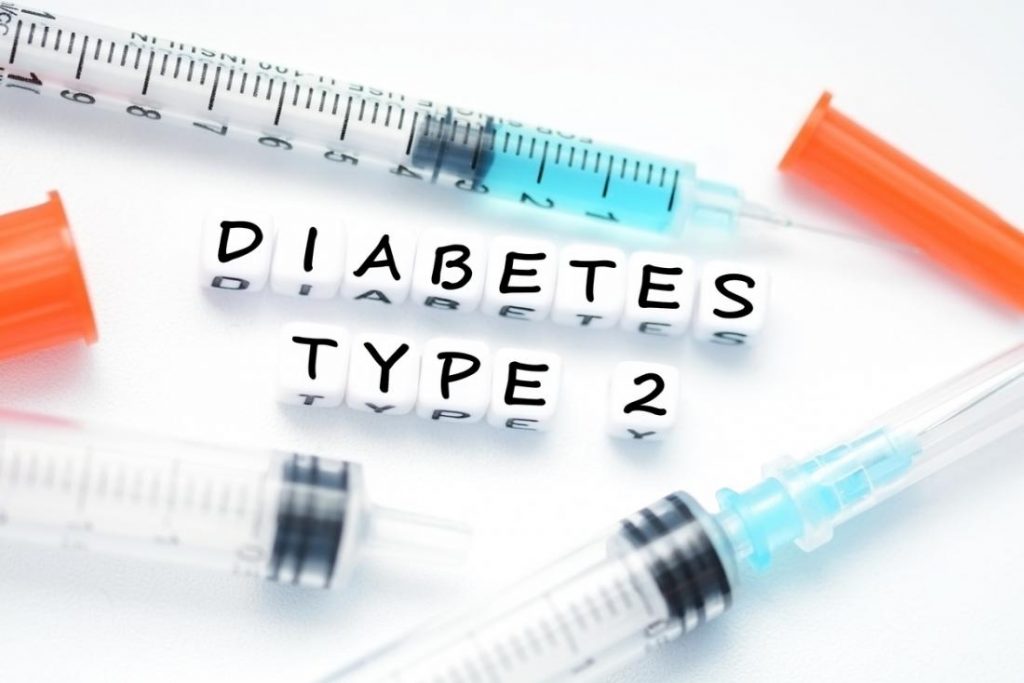
- Getting type 2 diabetes
- Heart and blood vessel diseases
- High blood pressure
- Uterine cancer
- Affecting fertility, delaying pregnancy, or causing infertility
How do you cope with Polycystic Ovary Syndrome (PCOS)?

If you have PCOS and are looking for ways to live safely with it and manage the symptoms, don't ever give up. You just need to find the right method for you. Some women dealing with excess hair growth use laser hair removal or other methods. You can also adapt to and overcome these symptoms. All you have to do is talk to your doctor to get advice and proper treatment.
When should you see a doctor?

There are some signs that once you notice them, you should quickly see a doctor for advice and assessment. These signs are:
- Irregular menstrual cycle or missed periods
- Excessive hair growth
- Noticeable weight gain