Low blood pressure or hypotension can make a person feel dizzy. It usually happens after eating, when standing up fast, due to shock, or stress. It also happens with some health conditions or special cases like pregnancy.
This article will cover low blood pressure, its symptoms, causes, and treatment options.
What is low blood pressure Hypotension?

Blood pushes against the blood vessels (arteries) with every heartbeat. This force is called blood pressure. Blood pressure goes up and down depending on normal activities like sleeping, resting, moving, and doing tasks.
Blood pressure has two measurements which are:
1. Systolic pressure:- This measures blood pumped through the vessels (arteries) when the heart's ventricles contract. The contraction sends blood through the body.
2. Diastolic pressure:- It measures the rest periods between heartbeats and supplies the heart with blood during relaxation by filling the coronary arteries.
Blood pressure is measured by reading systolic and diastolic numbers. Low blood pressure is usually good and is below 80/120 mmHg.
So, low blood pressure in adults is defined as below 60/90 mmHg. Sometimes, it can cause tiredness and dizziness and might also signal an underlying health issue that needs treatment.
Types of low blood pressure Hypotension

Low blood pressure is classified based on when it happens and its causes, andThere are several types of low blood pressure, including:-
1. Orthostatic hypotension
Orthostatic hypotension, also called positional low blood pressure, is a drop in blood pressure when you change position suddenly, like going from sitting or lying down to standing. Until the body adjusts, you might feel dizzy or lightheaded, something some people call seeing stars.
Orthostatic hypotension is the most common type of low blood pressure. It can affect people of all ages but especially older adults. Aging or pregnancy can lead to this kind of low blood pressure.
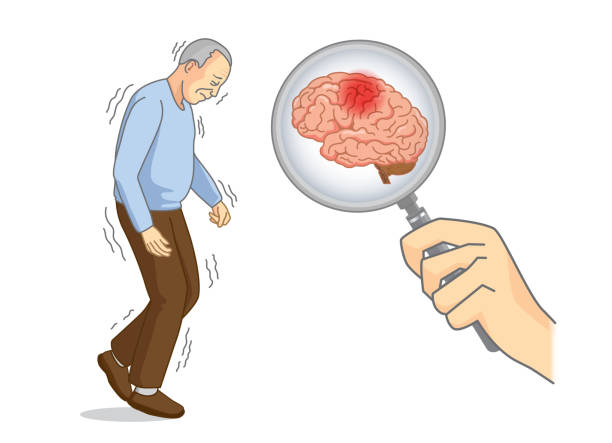
Also, conditions that affect the autonomic nervous system, like Parkinson's and diabetes, often cause orthostatic hypotension. This type can affect 30-50% of Parkinson's patients and about 30% of people with diabetes.
2. Postprandial Hypotension
Postprandial hypotension happens after eating meals. Reviews show this type is common in older adults and people with autonomic dysfunction.
3. Neurally Mediated Hypotension
Blood pressure is a balance between the nervous system and other body systems like hormones and organs. Neurally mediated hypotension happens when there is an abnormal interaction between the heart and the brain.
Causes of neurally mediated hypotension include:-
-
Standing still for long periods. Kids get this kind of low blood pressure more than adults.
-
Having a strong emotional reaction like shock or fear. That's why some people get low blood pressure during medical or dental procedures.
4. Severe low blood pressure
Severe low blood pressure can happen in shock cases. Shock can occur if the body gets a serious injury or infection. During shock, organs don’t get enough blood and oxygen to work properly. This severe low blood pressure can be life-threatening if not treated fast.
5. Other types
Besides the types above, ongoing low blood pressure can be a side effect of some meds, like those for high blood pressure, which sometimes cause blood pressure to drop.
Also, some other conditions affecting the heart, nerves, liver, or hormones can cause general low blood pressure. Vitamin deficiencies can cause it too.
Symptoms of low blood pressure

Low blood pressure usually doesn't cause symptoms. But sometimes it means vital organs don't get enough blood. This can cause tiredness and feeling unwell.
Common symptoms of low blood pressure can include:
-
Tiredness and low energy.
-
Dizziness and feeling unsteady.
-
Lightheadedness and feeling faint.
-
Nausea, stomach discomfort, and wanting to vomit.
-
Cold skin and sweating.
-
Depression and ongoing feelings of sadness.
-
Loss of consciousness, or fainting.
-
Blurred vision.
Causes of low blood pressure Hypotension

Blood pressure can drop in anyone at any age and time. Sometimes the body's internal blood flow control causes blood pressure to fall below normal levels. Some people always have low blood pressure with no symptoms, and the reason for this type is unknown.
Low blood pressure can happen suddenly after certain events, which often cause the types of low blood pressure mentioned earlier. These events include:-
-
Standing up quickly.
-
Eating meals.
-
Feeling scared suddenly or going through a shocking event.
Also, some cases cause low blood pressure, and some can be serious if left untreated. These cases may include:-
-
Pregnancy, due to increased blood demand from both mother and fetus.
-
Poor circulation caused by a heart condition.
-
Dehydration, which can result from severe diarrhea or vomiting.
-
Endocrine disorders, like diabetes and thyroid diseases.
-
Bed rest for long periods.
-
Shock is when organs don’t get enough oxygen.
-
Allergic shock is a severe allergic reaction.
-
Losing a lot of blood from an injury.
-
Blood infections.
Also, some medicines can cause a big drop in blood pressure, These medicines can include:
-
Beta blockers.
-
Nitroglycerin.
-
Diuretics.
-
Antidepressants.
So, if someone is taking medicine that causes a big drop in blood pressure, the doctor might adjust the dose or change the medicine, which usually helps the low blood pressure.
Treatment of Low Blood Pressure Hypotension

The treatment plan for low blood pressure depends on the cause of the low blood pressure, The doctor will consider factors including:-
-
The type of low blood pressure you have.
-
The situations that cause the low blood pressure.
For some people, low blood pressure may cause no symptoms and might not need treatment. When treatment is needed, a doctor might recommend lifestyle changes, medical treatments, or both.
Also, some types of low blood pressure may need medical treatment and medication, These medications could include:-
-
Treating the condition causing the low blood pressure.
-
Taking medicine to raise blood pressure.
-
Emergency treatment for shock.
Lifestyle changes to treat low blood pressure Hypotension

Sometimes changing certain habits can improve low blood pressure. Causes vary by person, so your care plan might not include all these changes
Depending on the person's situation, the doctor may suggest some or all of these changes, including:
-
Stay Hydrated.
-
Identify your emotional triggers.
-
Move and do physical activity.
-
Take time to change positions, like standing up.
-
Change positions slowly and gradually.
-
Change eating habits.
In the end, low blood pressure isn't always a sign of a big health problem and can be treated easily. But for some people, low blood pressure needs treatment to avoid possible issues like falls, injuries, and shock. It's always best to tell your doctor if you're worried about your blood pressure or other symptoms.