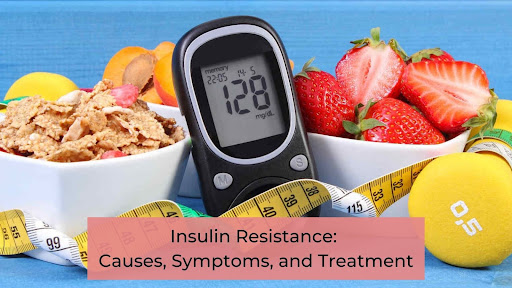
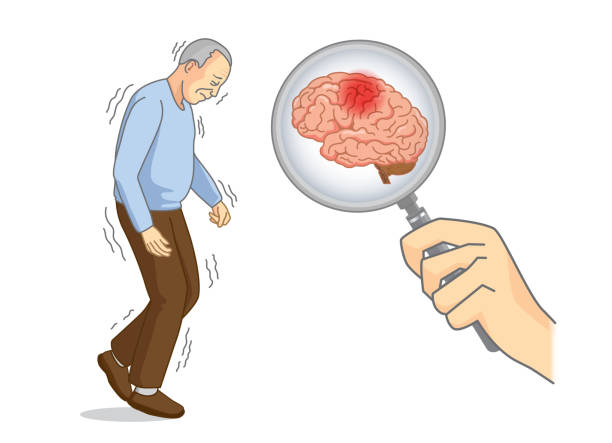
The disease develops Type 2 Diabetes, and the symptoms tend to appear gradually. Symptoms can include excessive hunger, intense thirst, frequent urination, extreme fatigue, nerve tingling, and blurry vision. All these symptoms come from the effects of high blood sugar levels (glucose) being too high in the blood.
However, some people in early stages of Type 2 Diabetes may not show any symptoms. Early diagnosis and treatment can help avoid complications, so it's useful to know the detailed symptoms of the condition.
In this article, we will cover the symptoms of Type 2 Diabetes, including early symptoms, common signs, rare ones, and disease complications.
Early symptoms and signs of diabetes

People may have early warning signs and symptoms of diabetes, including:
-
Constant feeling of extreme thirst
-
Peeing more than usual, especially at night
-
Feeling hungrier than normal
-
Slow-healing cuts and sores
-
Unintentional weight loss
-
Blurred vision
-
Feeling tingling or numbness in the hands or feet
-
Feeling very tired
-
More infections like urinary tract infections or fungal infections
While these symptoms can come from different health issues, diabetes is one of them. So, you should talk directly with a healthcare provider to get these symptoms checked and see if it’s diabetes.
Common symptoms of diabetes

Early diabetes symptoms get worse as the disease progresses, especially if not properly controlled. Also, if these symptoms don’t show early on, they might appear over time.
Common detailed symptoms of diabetes can include:-
1. Frequent urination
When blood sugar (glucose) levels are abnormally high in the bloodstream, the kidneys pull water from tissues to dilute the sugar so the body can get rid of it through urine.
Also, cells pump fluids into the bloodstream to help flush out sugar. The kidneys can't reabsorb these fluids during blood filtering, so urination increases. Adults might pee over 2.5 liters a day, while normal urine output is 1.5 liters a day.
2. Intense thirst
Intense thirst usually comes with more urination. The body pulls water from tissues to dilute the blood and get rid of excess glucose. This makes people want to drink more to replace lost fluids. Many say this thirst can't be quenched.
To stay hydrated, a person might feel the need to drink large amounts of fluids. But if those fluids have simple sugars, like soda, sweet tea, and juices, glucose levels will rise even more.
3. Extreme fatigue
The body needs energy to carry out all vital functions, glucose, which comes from breaking down foods containing carbs, is the main source of energy. It insulin, a hormone made by the pancreas, moves glucose from the blood into the cells to be used for energy.
With diabetes, either the pancreas doesn’t make enough insulin, or the insulin made isn’t used properly, usually because the cells resist it. The result is that cells get deprived of glucose and suffer from low energy and extreme tiredness.
4. Excessive hunger
Excessive hunger is linked to tiredness and starving cells. Because cells resist insulin, glucose stays in the bloodstream. So, cells can’t get glucose, which can trigger hormones telling the brain it’s hungry. Overeating can make things worse by raising blood sugar levels even more.
5. Numbness or tingling
Diabetic neuropathy is the feeling of numbness or tingling, or pins and needles in the arms or legs caused by type 2 diabetes. These symptoms usually develop gradually over time as high blood sugar damages the nerves.
Keeping glucose levels in the normal range can help prevent more damage and reduce symptoms. So, people with severe neuropathy might need medication.
6. Slow wound healing
When blood sugar levels are high, the blood gets thick and doesn't flow freely everywhere. So, poor circulation makes it hard for blood to reach spots that need healing, like wounds and sores. This slows down healing. So wounds or bruises healing slowly can be a sign of high blood sugar.
7. Blurry vision
High blood sugar can cause blurry vision. It can also dry out your eyes, make it hard to focus, and this happens because fluids are pulled into the bloodstream to dilute glucose from the eye lenses.
It's important to do an eye check soon after a type 2 diabetes diagnosis. But note, the damage can happen in the eyes even before diabetes is diagnosed.
Rare symptoms of diabetes

Some type 2 diabetes symptoms are less common. Still, they can point to warning signs that a person should know about.
Rare symptoms of diabetes include:-
-
Dry mouth
-
Irritability
-
Dry skin and itching
-
Skin tags
-
Frequent infections
-
Darkened patches (acanthosis nigricans)
-
Unexplained weight loss
Complications of type 2 diabetes

Diabetes complications develop slowly, but they can get severe if not treated. By the time diabetes or prediabetes is diagnosed, the body has battled high sugar and insulin levels for about 10 years.
Very high blood sugar can cause serious complications, even death.
Possible diabetes complications include:-
-
Stroke
-
Arteriosclerosis
-
Nerve damage
-
Eye damage
-
Kidney damage
-
Foot problems caused by poor blood flow
-
Ketoacidosis
-
Diabetic coma
Need to see a healthcare provider

You should not ignore symptoms of type 2 diabetes even if they seem mild or simple. Getting healthcare to check your symptoms is especially important if diabetes runs in your family or if you have other risk factors for it, such as:-
-
Age 45 or older
-
Obesity, Body mass index Body 25 or more
-
Sedentary or inactive lifestyle
When to go to the hospital

High blood sugar is a medical emergency. You need urgent medical care if there are symptoms linked to high blood sugar caused by diabetes, These include:-
-
Extreme thirst
-
Frequent urination
-
Funny breath smell
-
Drowsiness or confusion
-
Loss of vision
-
Hallucinations
-
Weakness on one side of the body
While a sharp drop in blood sugar is mainly linked to type 1 diabetes, it can also affect people with type 2 diabetes who use insulin or some other medicines. It is a medical emergency too.
Symptoms of low blood sugar include:-
-
Dizziness
-
Shaking
-
Headache
-
Sweating
-
Hunger
Without treatment, severe low blood sugar (insulin shock) can happen, causing muscle weakness, trouble talking, seizures, and loss of consciousness.